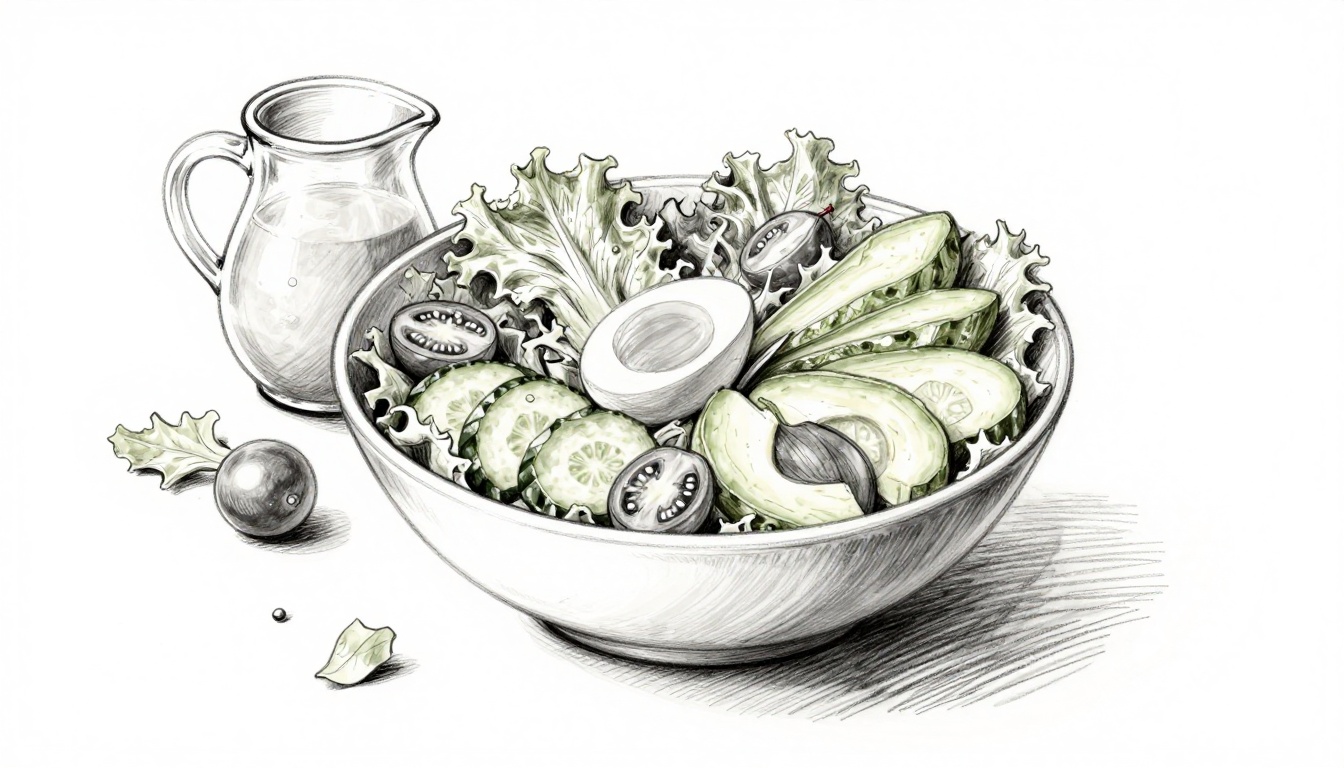
A fresh salad can be a quick lunch, a colorful side dish, or a satisfying meal with just a few extra ingredients. You can build one with everyday produce and a simple dressing, then adjust it to suit what you have in the kitchen.
A good salad balances crisp greens, juicy vegetables, something rich, a little acidity, and enough seasoning to bring each bite together. Once you know that basic formula, making a homemade salad becomes easy and flexible.
Use leafy greens and a bright dressing for a lighter bowl. Add chicken, eggs, beans, tofu, or tuna when you want a more filling meal. For safe preparation, rinse fresh produce thoroughly under running water before eating or cutting it, as the U.S. Food and Drug Administration recommends.
Balance Freshness, Texture, and Flavor
The easiest way to make a salad satisfying is to combine different textures and flavors. Crisp lettuce and cucumber taste fresh, but they can feel a little plain on their own. Add juicy tomatoes, creamy avocado, sweet corn, sharp red onion, and crunchy nuts, and the bowl becomes much more interesting.
You can create that contrast with simple ingredients. Corn, apples, grapes, mango, and roasted vegetables add sweetness. Lemon juice or vinegar brings acidity, while avocado, cheese, olive oil, nuts, and seeds add richness.
Fresh herbs bring extra flavor without much effort. Aim for at least three different textures and a mix of flavors, rather than adding every ingredient you can find. A few well-chosen ingredients make a better salad than a crowded bowl.
Choose Ingredients That Work Together
For an everyday homemade salad, start with a base of romaine, iceberg lettuce, mixed greens, cabbage, or spinach. Add cucumber for crunch, tomatoes for juiciness, carrots for color, and onion for a sharper note.
Then choose a protein or another hearty ingredient. Boiled eggs, grilled chicken, chickpeas, beans, tofu, tuna, and shredded cheese all work well. If you like sweet and savory combinations, add fruit such as apple, grapes, orange, pineapple, mango, or pomegranate seeds.
Nuts and seeds add crunch and make a simple salad feel more substantial. Try sunflower seeds, almonds, walnuts, peanuts, pumpkin seeds, or sesame seeds.
A useful starting formula is one leafy base, three or four vegetables, one protein or hearty ingredient, one crunchy topping, and a dressing. You can change any part of it based on what is fresh and available.
Choose produce that feels firm and has no major bruises or damaged areas. Cut away small damaged spots, and discard produce that looks rotten.
Ingredients for This Easy Food Salad Recipe
This recipe makes about four side-dish servings or two generous light meals.
- 4 cups chopped lettuce or mixed greens
- 1 cucumber
- 2 medium tomatoes
- 1 medium carrot
- 1/2 small red onion
- 1/2 cup sweet corn
- 1 small avocado
- 2 boiled eggs
- 1/4 cup roasted peanuts, almonds, sunflower seeds, or pumpkin seeds
For extra protein, add about 150 to 200 grams of cooked chicken breast, grilled tofu, chickpeas, or tuna.
For the dressing, you will need:
- 3 tablespoons olive oil
- 1 1/2 tablespoons lemon juice
- 1 teaspoon honey
- 1 teaspoon mustard
- 1 small garlic clove, grated
- A pinch of salt
- Freshly ground black pepper
These amounts are flexible. Leave out the onion if you prefer a milder salad, or replace the tomatoes with bell pepper. If avocado is unavailable, use boiled potato or a little cheese instead.
Wash your hands, work surface, and utensils before you start. Rinse produce under running water before cutting it, even if you plan to peel it. A knife can carry dirt or bacteria from the outside of produce to the flesh.
Prepare the Vegetables and Fruit
Slice the cucumber into half-moons or small chunks, depending on how you want the salad to look. Cut the tomatoes into wedges or bite-sized pieces so their juiciness stays noticeable.
Grate the carrot for a soft texture, or use a vegetable peeler to make thin ribbons. Slice the red onion thinly so its flavor adds a little sharpness without taking over the bowl.
Cut the avocado shortly before serving, since its surface can darken when exposed to air. If you want to add fruit, apple, grapes, orange segments, mango, pineapple, and strawberries all pair well with greens.
Choose a flavor direction to keep the ingredients harmonious. For a Mediterranean-style salad, combine tomatoes, cucumber, onion, olives, feta, and lemon dressing. For a tropical version, use mango, pineapple, cucumber, grilled chicken, and a lime dressing.
A simple Indonesian-inspired salad can include cucumber, tomatoes, cabbage, boiled eggs, and corn with a peanut-style dressing. Keep the fresh ingredients at the center of the bowl, so the toppings don’t overwhelm them.
Add Protein and Toppings
Protein turns a side salad into a more filling meal. Grilled chicken has a mild flavor that works with citrus, creamy, spicy, and herb-based dressings. Boiled eggs are convenient too, since you can cook them ahead and keep them chilled until needed.
Chickpeas and beans are easy plant-based options. You can grill or pan-fry tofu until lightly crisp, or use tuna for a quick pantry salad.
Choose toppings that add a different texture or flavor. Nuts and seeds bring crunch, cheese adds saltiness and richness, and croutons work especially well with creamy dressing. Roasted corn, crispy chickpeas, toasted coconut, and fried shallots are other options.
Add crisp toppings just before serving. They stay crunchy instead of soaking up dressing and turning soft.
How to Make a Food Salad
Prepare and dry the produce before assembling the salad. Wash the greens under running water, then dry them thoroughly. Extra moisture dilutes the dressing and can leave the leaves limp.
A salad spinner makes this step easy, but a clean kitchen towel or paper towel also works. Chop the vegetables and prepare the protein separately. Let cooked ingredients cool before adding them to delicate greens, since hot chicken, potatoes, or roasted vegetables can wilt the leaves.
Place the greens in a large bowl, then add the vegetables and protein. Keep the nuts, seeds, croutons, and other crunchy toppings aside for now.
Add a little dressing, toss gently, and taste the salad before adding more. This gives you better control over the flavor and keeps the ingredients from becoming soggy.
Keep fresh produce separate from raw meat, poultry, and seafood while you prepare the meal. This helps reduce the risk of cross-contamination.
Make the Homemade Dressing
Combine the olive oil, lemon juice, honey, mustard, grated garlic, salt, and black pepper in a small jar. Close the lid and shake for about 20 seconds, or whisk the ingredients together in a bowl.
Taste the dressing before adding it to the salad. If it is too sharp, stir in a little more honey or olive oil. If the flavor seems flat, add a squeeze of lemon and another pinch of salt.
For a creamier dressing, mix in a spoonful of Greek yogurt. To give it an Asian-inspired flavor, replace some of the olive oil with sesame oil and add a little soy sauce and lime juice. Chili flakes or chopped fresh chili add heat.
Use the dressing as a starting point, and adjust it to your taste. Add it shortly before serving to help the greens stay crisp.
Assemble the Salad
Start with dry greens in a large bowl, then add firmer vegetables such as cucumber, carrot, and onion. Add tomatoes and avocado afterward, since they are softer and can break apart when tossed too firmly.
Arrange the protein on top, then drizzle the dressing around the bowl. Use salad tongs or two large spoons to lift and turn the ingredients gently. The goal is to coat everything lightly without crushing the vegetables.
Finish with nuts, seeds, croutons, herbs, cheese, or another crunchy topping. For a meal with guests, serve the dressing on the side so everyone can add the amount they like.
The different colors make the bowl inviting without extra fuss. Green lettuce, red tomatoes, orange carrots, yellow corn, red onion, and avocado create a bright mix on their own.
Choose a Dressing That Fits
There is no single best salad dressing. A creamy dressing pairs well with crunchy vegetables and chicken, while a lemon vinaigrette can brighten leafy greens, beans, and grains.
For a simple vinaigrette, start with three parts oil to about one part acid, such as lemon juice or vinegar. Season it with salt, pepper, mustard, herbs, garlic, or a little honey.
Use more lemon or vinegar and less oil for a lighter dressing. For a creamier version, mix the vinaigrette with yogurt or mashed avocado. A peanut dressing pairs especially well with cabbage, cucumber, carrots, tofu, and chicken.
The dressing should bring the ingredients together without covering up their fresh flavor. If you are preparing salad ahead, keep the dressing in a sealed container and add it just before eating.
Easy Salad Variations
Once you know the basic formula, you can make plenty of different salads without following a new recipe each time. Swap the protein, use seasonal produce, or change the dressing.
- Mediterranean salad: Combine cucumber, tomatoes, red onion, olives, feta, lettuce, and lemon dressing.
- Chicken salad: Add grilled chicken, boiled egg, corn, cucumber, tomato, avocado, and mustard dressing to mixed greens.
- Tropical salad: Toss lettuce with mango, pineapple, cucumber, grilled chicken, roasted peanuts, and lime dressing.
- Crunchy vegetable salad: Use shredded cabbage, carrots, cucumber, bell pepper, corn, and roasted chickpeas.
- Vegetarian salad: Combine chickpeas, boiled eggs, avocado, tomatoes, cucumber, and seeds.
- Warm salad: Add roasted sweet potato or grilled vegetables to leafy greens, then finish with a tangy dressing.
If an ingredient is unavailable, choose a substitute with a similar flavor or texture. This makes salad easy to adapt to seasonal produce, personal preferences, and whatever is already in your fridge.
Chicken Salad Variation
For a satisfying chicken salad, cook about 150 to 200 grams of seasoned chicken breast on the grill or in a pan. Let it rest before slicing, then serve it with crisp lettuce, cucumber, tomato, grated carrot, corn, avocado, and boiled egg.
Lemon-mustard dressing works especially well because its acidity balances the rich chicken and avocado. Add toasted almonds or sunflower seeds for crunch.
Season the chicken with black pepper, paprika, chili flakes, or fresh herbs before cooking if you want a stronger flavor. Leftover roasted chicken is another easy option for a quick weekday meal.
For meal prep, store the chicken, vegetables, and dressing separately in the refrigerator. Combine them shortly before serving to keep the greens crisp.
Fruit and Vegetable Salad Variation
For a naturally sweet salad, combine lettuce, cucumber, carrot, apple, grapes, orange segments, and roasted nuts. A lemon-honey dressing adds brightness without making the bowl taste like dessert.
Mango and pineapple bring a tropical flavor, while strawberries, apples, and grapes work well in milder combinations. Add feta or another mild, crumbly cheese for a savory contrast, or include grilled chicken for a heartier meal.
Cut the ingredients into shapes that are easy to eat, and add delicate fruit such as berries or ripe mango near the end. Rinse fruit under running water before cutting it, even if you plan to remove the peel.
How to Store Homemade Salad
Salad stays fresher when you store the ingredients separately. Keep washed and thoroughly dried greens in a clean container, with a paper towel to absorb extra moisture. Store watery ingredients such as chopped tomatoes separately when possible.
Refrigerate cooked chicken, eggs, tofu, beans, and other perishable ingredients promptly. Keep the dressing in its own sealed container and add it just before eating.
The FDA advises keeping perishable fresh produce, including lettuce and herbs, at 40°F (4°C) or below. For lunches away from home, use an insulated lunch bag with a cold pack, and avoid leaving prepared perishable food unrefrigerated for long periods, especially in hot weather.
Common Salad-Making Mistakes
Wet greens are one of the easiest ways to end up with a diluted, limp salad. Dry the leaves well after rinsing so the dressing can cling to them.
Adding too much dressing too early can also make the bowl soggy. Start with a small amount and add more after tasting. You can always add dressing, but it is difficult to remove once it coats the ingredients.
A salad can feel repetitive if every ingredient has the same texture. Combine crisp, juicy, creamy, and crunchy elements to make each bite more satisfying. Keep the number of ingredients manageable too, since a crowded bowl can make individual flavors hard to notice.
Seasoning matters just as much as the ingredients. Add salt, acidity, herbs, or spices to bring out the flavor of fresh vegetables. Rinse produce under running water before cutting or eating it, and avoid using soap or detergent. The FDA also recommends a clean produce brush for firm vegetables when needed.
Conclusion
A good food salad recipe starts with fresh produce, a mix of textures, and a dressing that balances richness, acidity, and seasoning. Add chicken, eggs, beans, or tofu when you want a more filling meal, and use fruit, nuts, or cheese to change the flavor and texture.
Prepare the ingredients with care, dry the greens well, and add the dressing just before serving. Once you have the basic formula, you can make a fresh, satisfying salad with whatever looks good in your kitchen.
FAQs
1. What is the easiest food salad recipe for beginners?
Combine lettuce, cucumber, tomato, carrot, corn, and boiled egg, then add a simple dressing made with lemon juice and olive oil. The ingredients need very little preparation, and the salad takes about 15 to 20 minutes to make.
Start with a small amount of dressing and add more after tasting.
2. Can I make salad ahead of time?
Yes. Prepare the ingredients separately and keep them covered in the refrigerator. Store the dressing and crunchy toppings apart from the greens, then combine everything shortly before serving.
3. What protein can I add to a vegetable salad?
Grilled chicken, boiled eggs, tuna, chickpeas, beans, tofu, and cheese are all good options. Choose a protein and dressing that suit the other ingredients. Chicken pairs well with lemon, mustard, yogurt, and herb dressings.
4. How do I keep salad from getting soggy?
Dry the greens thoroughly after washing, add dressing shortly before serving, and keep crunchy toppings separate until the last moment. Add watery ingredients such as tomatoes near serving time if you are preparing the salad ahead.
5. Should I wash vegetables with soap before making salad?
No. Rinse fresh produce thoroughly under running water, but do not wash it with soap, detergent, or bleach. Scrub firm produce such as cucumbers with a clean produce brush when needed.

Food writer and passionate home cook dedicated to creating easy, delicious recipes, quick weeknight meal ideas, and practical kitchen tips. Focused on helping everyday cooks recreate wholesome, flavorful dishes at home with simple ingredients and clear, step-by-step guides.