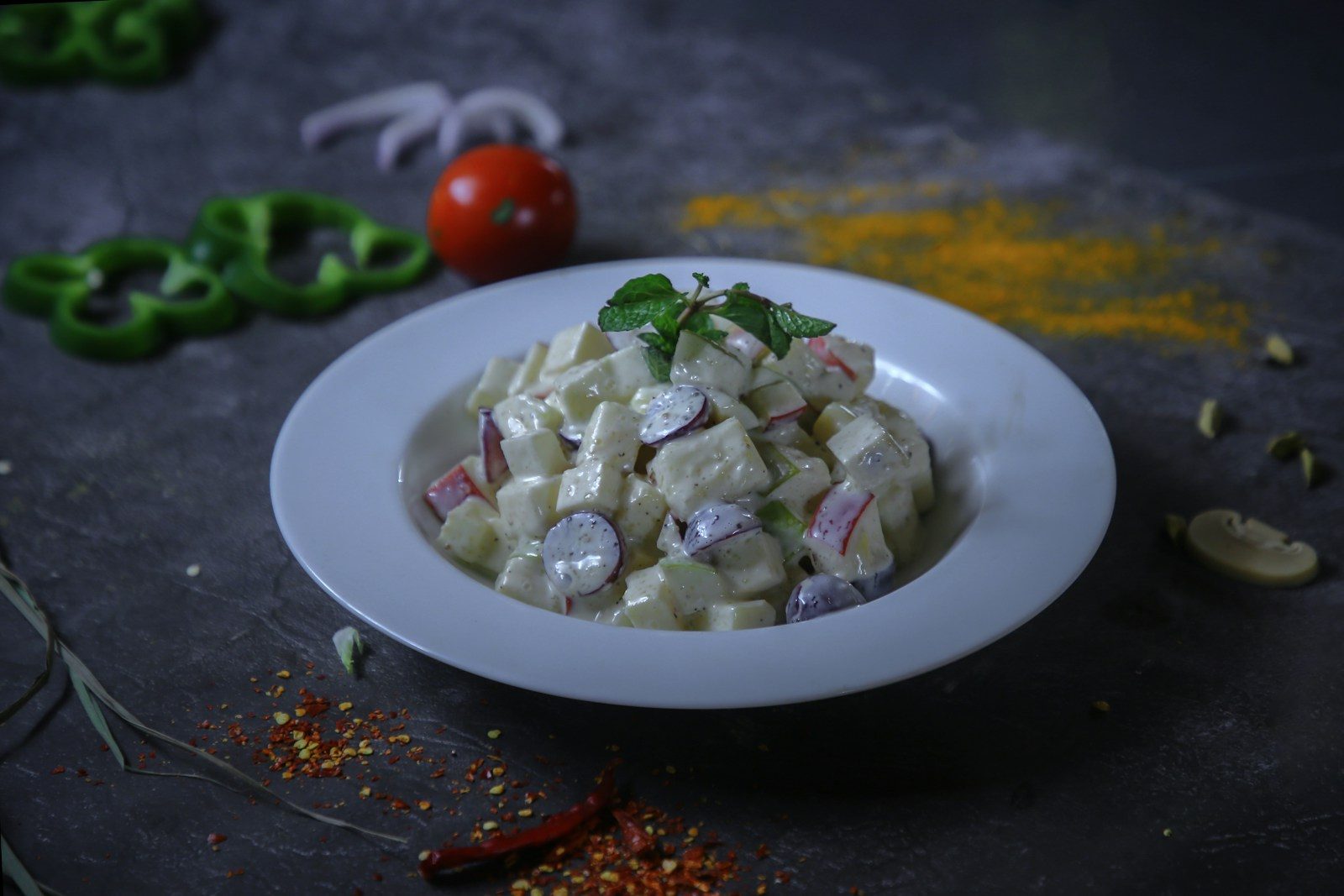
If you love potatoes, crispy bacon, caramelized onion, and a dressing that walks the delicious line between sweet and tangy, this German warm potato salad recipe with bacon deserves a place on your table. Unlike the creamy potato salads many people associate with summer cookouts, German-style potato salad usually skips the mayonnaise and instead relies on a warm vinegar-based dressing.
The result is lighter in texture but surprisingly rich in flavor because the potatoes absorb the dressing while they are still warm. Current versions from major recipe publishers continue to use the same basic formula: tender potatoes, bacon, onion, vinegar, a little sugar, mustard or another seasoning, and fresh herbs.
There is something almost magical about the way this salad comes together. Think of the potatoes as little sponges: when they are warm, they eagerly soak up the salty bacon drippings and sharp vinegar dressing, rather than simply sitting underneath a thick coating.
The bacon contributes smoky, savory richness, while vinegar cuts through that richness and keeps every bite lively. A small amount of sugar rounds off the acidity instead of making the dish taste sweet, and onion brings another layer of savory flavor.
The beauty of this recipe is that it does not require complicated cooking techniques or expensive ingredients, yet the finished dish tastes substantial enough to accompany everything from grilled sausages to roast chicken. Whether you’re preparing a family dinner, a barbecue side dish, or a hearty weekend meal, this is one of those recipes that feels both rustic and special.
What Makes German Warm Potato Salad Special
The defining feature of German warm potato salad is the dressing. Instead of mayonnaise, sour cream, or a creamy egg-based sauce, the potatoes are coated with a warm mixture built around vinegar and savory fat.
Bacon is particularly useful because cooking it creates crisp pieces for the salad while leaving behind flavorful drippings that can become part of the dressing. Recipes vary considerably by region and family tradition, but warm potatoes, vinegar, onion, bacon, and herbs appear repeatedly across modern interpretations.
Some versions use beef or chicken broth, while others rely primarily on vinegar and bacon fat; mustard, sugar, dill, parsley, and scallions may also appear depending on the recipe. (Food Network)
The warm serving temperature is not simply a gimmick. It helps the dressing penetrate the potatoes and creates the characteristic contrast between tender starch, crisp bacon, and sharp vinaigrette.
Food Network’s current hot German potato salad recipe specifically recommends assembling the dish while both the potatoes and dressing are warm, while other established recipes likewise toss the potatoes with warm dressing before serving. (Food Network) That is why this dish can taste so much more flavorful than a cold potato salad even though the ingredient list is relatively simple.
If you have ever bitten into a warm potato that has absorbed a little bacon fat and vinegar, you already understand the appeal: every mouthful carries seasoning all the way through rather than leaving flavor mostly on the surface.
The Difference Between German and American Potato Salad
The easiest way to understand the difference is to imagine two completely different approaches to the same vegetable. A classic creamy American potato salad is often chilled and coated in mayonnaise or a mayonnaise-based dressing, with ingredients such as celery, pickles, mustard, eggs, or relish providing texture and acidity.
German potato salad, by contrast, is commonly served warm or at room temperature and uses a vinegar-forward dressing rather than mayonnaise. Contemporary descriptions from Martha Stewart and The Seasoned Mom both emphasize this contrast, noting the warm temperature, vinegar dressing, bacon, and onion as defining characteristics of the German-style preparation.
That difference also changes the eating experience. A mayonnaise-based potato salad tends to feel creamy, cool, and rich, while a warm German version is brighter and more savory, with the vinegar keeping the bacon from becoming overwhelmingly heavy.
The potatoes remain the star, but they are surrounded by layers of salty, acidic, sweet, smoky, and herbal flavors. There is no single recipe that represents every German household, either, because potato salad has strong regional and family variations.
Southern German preparations, for example, can emphasize broth, vinegar, mustard, and waxy potatoes, while German-American versions often feature bacon and a more pronounced sweet-and-sour dressing. (Zaffaron)
Ingredients You’ll Need
For a dependable homemade version, you need about 2 pounds of waxy or red-skinned potatoes, 6 to 8 ounces of bacon, one medium onion, vinegar, sugar, mustard, salt, black pepper, and fresh parsley or dill. You can add a little broth or water to loosen the dressing and help distribute the flavors.
Waxy potatoes are especially useful because they hold their shape after cooking instead of collapsing into a mash. Yukon Gold, red potatoes, Charlotte potatoes, or other firm salad potatoes are good choices, and several modern German-style recipes specifically favor these varieties.
The vinegar is the backbone of the dressing, so choose one whose flavor you enjoy. Apple cider vinegar creates a rounded, slightly fruity result, while white wine vinegar produces a cleaner and sharper flavor.
Whole-grain or German-style mustard adds complexity without requiring much, and a small quantity of sugar helps soften the vinegar’s edge. The onion should be finely diced so it becomes tender rather than dominating the salad.
Finally, fresh parsley or dill provides a green, fresh note that keeps the finished dish from tasting too heavy. These ingredients are flexible, but the important thing is to preserve the fundamental balance: potato + bacon + onion + acid + a touch of sweetness + freshness.
Choosing the Right Potatoes
Potato selection can make or break this recipe. You want potatoes that become tender enough to absorb dressing but firm enough to survive stirring without turning into mashed potatoes.
Red potatoes and Yukon Gold potatoes are particularly practical because their relatively firm texture works well in salads. Current recipes from Martha Stewart, Food Network, and The Seasoned Mom all use or recommend waxy or relatively firm potato varieties for German-style potato salad.
Try to choose potatoes of similar size so they cook at roughly the same rate. If some pieces are tiny while others are huge, the smaller potatoes may become waterlogged and soft before the large ones are fully tender.
For the cleanest texture, cook the potatoes whole or in large pieces and slice or cube them after cooking, depending on the style you prefer. One recent recipe specifically advises cooking whole potatoes because they release less steam into the cooking water and are less likely to become mushy.
(The Seasoned Mom) The goal is simple: when a knife or fork enters the center with little resistance, stop cooking.
The Best Bacon for German Potato Salad
Bacon is more than a garnish in this recipe. It performs two jobs at once: the crisp pieces provide texture, while the rendered fat gives the dressing its savory foundation.
Thick-cut bacon works beautifully because it produces substantial pieces that remain noticeable after being tossed with the potatoes. Standard sliced bacon is perfectly acceptable too, and you can cut it into small pieces before cooking so that it browns evenly.
Cook the bacon over medium heat rather than blasting it over high heat. Gentle cooking gives the fat enough time to render while the meat becomes crisp and browned.
Once the bacon is finished, transfer it to a plate lined with paper towels, but do not automatically throw away every drop of fat in the skillet. Several established recipes deliberately reserve some bacon drippings for the dressing because they add a deep savory flavor.
(Kitchn) If there is an excessive amount, you can remove some, but keeping roughly two to three tablespoons gives you a flavorful starting point without making the salad unnecessarily greasy.
How to Make German Warm Potato Salad
Making this salad is essentially a four-part process: cook the potatoes, fry the bacon, build the dressing, and combine everything while it is warm. The sequence matters because you want the potatoes ready around the same time as the dressing.
If the potatoes are ice-cold when the dressing arrives, they will not absorb it as effectively, and the finished salad can taste flatter. Established recipes generally cook the potatoes until tender, prepare bacon and onion in a skillet, simmer the vinegar-based dressing, and then toss the warm components together.
Step 1: Cook the Potatoes
Place approximately 2 pounds of waxy potatoes in a large pot and cover them with cold water. Add a generous amount of salt to the water, then bring it to a boil before reducing the heat to maintain a steady simmer.
Cook until the potatoes are fork-tender but not falling apart; depending on their size, this can take roughly 15 to 30 minutes. Recipe methods vary, with some recipes cooking whole potatoes and others steaming or boiling sliced potatoes, so use texture rather than the clock as your final test.
Drain the potatoes carefully and allow them to cool only enough to handle. If you are using thin-skinned red potatoes, leaving the skins on is an easy way to save time and add texture.
Otherwise, peel them while they are still warm and slice them into roughly 1/4-inch rounds or cut them into bite-sized chunks. The important thing is not to wait until they are completely cold.
Warm potatoes are the ideal canvas for the dressing because their surface and interior are still receptive to the vinegar mixture.
Step 2: Crisp the Bacon and Cook the Onion
While the potatoes are cooking, place the chopped bacon in a large skillet over medium heat. Cook until the bacon is browned and crisp, stirring occasionally so that it cooks evenly.
Remove the bacon with a slotted spoon and leave the flavorful drippings in the pan. Add the finely diced onion and cook it gently until softened and translucent, allowing it to pick up the smoky bacon flavor from the skillet.
This is where the kitchen starts smelling like something worth waiting for. The onion does not need to become deeply caramelized; it simply needs enough time to lose its raw sharpness and become sweet and tender.
Recipes from Food Network and The Kitchn both use this basic bacon-and-onion foundation before adding the vinegar-based dressing components. (Food Network) If your bacon has produced a very large amount of fat, pour some off before continuing, leaving enough to flavor the dressing without turning the salad oily.
Step 3: Make the Warm Bacon-Vinegar Dressing
With the onion softened, add your vinegar, a little sugar, mustard, and either broth or water. Season with black pepper and additional salt cautiously because bacon already contributes plenty of salt.
Stir everything together and let it simmer briefly so the sugar dissolves and the flavors begin to blend. Some recipes thicken the dressing with flour, while others reduce a simple vinegar mixture until concentrated; both approaches can work.
For a balanced homemade version, start with about 1/3 to 1/2 cup vinegar, 1 to 2 tablespoons sugar, and 1 tablespoon whole-grain mustard for 2 pounds of potatoes. Add a splash of water or broth if the mixture tastes too intense.
The dressing should taste slightly stronger than you think it needs to because the potatoes will absorb and soften its flavor. Do not worry if it seems sharp straight from the skillet; that acidity is exactly what prevents the finished salad from tasting flat.
Step 4: Combine Everything While Warm
Place your warm sliced or cubed potatoes in a large bowl and pour the hot dressing over them. Add the cooked onion and about two-thirds of the bacon, reserving the rest for the top.
Toss very gently using a large spoon or silicone spatula because the potatoes should stay in recognizable pieces. Give the salad a few minutes to sit so the potatoes can absorb the dressing, then taste it and adjust the salt, vinegar, mustard, or sugar as needed.
Fresh parsley, dill, chives, or scallions can go in at the end. Food Network uses parsley in one version, while other recipes use dill, scallions, or a combination of fresh herbs.
(Food Network) Sprinkle the remaining bacon over the top just before serving so some of it remains crisp. Serve the salad warm or comfortably hot rather than piping hot, giving the flavors a moment to settle.
How to Balance the Sweet and Tangy Dressing
The dressing is where your personal taste matters most. A great German potato salad should not taste like straight vinegar, nor should it taste sugary.
Instead, you want a three-way balance between acidic vinegar, salty bacon, and gentle sweetness. Mustard adds another layer of sharpness and spice, while onion brings natural sweetness once cooked.
If your salad tastes too sour, add a small amount of sugar rather than drowning it in fat. If it tastes too sweet, add vinegar a teaspoon at a time.
If it tastes dull despite having enough salt, try a little more vinegar or mustard. Think of the dressing like adjusting the focus on a camera: tiny changes can suddenly make all the other flavors appear clearer.
Different recipes use noticeably different ratios of vinegar and sugar, which is another reason German potato salad is best treated as a flexible cooking formula rather than a rigid formula. (Food Network)
Tips for Perfect Potato Texture
The most common texture problem is overcooking. Once potatoes become waterlogged and soft, tossing them with a warm dressing can turn the salad into something closer to mashed potatoes with bacon.
Start checking the potatoes early, particularly if you have cut them smaller. A knife should slide into the center with little resistance, but the potato should still hold together when you lift it.
Another useful technique is to avoid aggressively stirring the finished salad. The potatoes are warm and fragile, especially after boiling, so use a folding motion rather than vigorous mixing.
The dressing should coat the pieces without breaking them apart. Current recipe guidance repeatedly emphasizes gentle tossing and warm assembly, reinforcing the idea that temperature and handling are central to the final texture.
Common Mistakes to Avoid
One mistake is using a very starchy potato and cooking it too long. Another is making the dressing hours in advance and pouring it over cold potatoes.
You can prepare components ahead, but the best texture comes from bringing the warm potatoes and warm dressing together close to serving time. Food Network specifically notes that the dish suffers when reheated and recommends keeping the potatoes warm and assembling the salad shortly before serving.
Another mistake is adding all the bacon at the beginning and expecting it to remain crisp. Some bacon will naturally soften as it absorbs dressing, which is delicious, but reserving a portion for the top gives you a contrast between tender bacon pieces and crisp bacon.
Finally, do not season the dressing blindly. Bacon, broth, mustard, and vinegar can all vary in saltiness and intensity, so tasting as you go is more reliable than following a fixed seasoning amount without adjustment.
Easy Ingredient Substitutions
If you cannot find Yukon Gold potatoes, use red potatoes or another waxy salad potato. Apple cider vinegar is a convenient substitute for white wine vinegar and gives the dressing a slightly fruitier character.
You can use regular yellow mustard if whole-grain mustard is unavailable, although whole-grain mustard provides more texture and a slightly more rustic appearance.
For the herbs, parsley is mild and versatile, while dill gives the salad a more distinctive fresh flavor. Chives or green onions are also useful when you want a crisp onion note without adding more cooked onion.
Some recipes use chicken or beef broth in the dressing, while others use water, so you have room to adapt the liquid to whatever you have available. (Food Network) If bacon is unavailable, the dish can be made without it, although the resulting flavor will be lighter and will need another source of savory richness.
How to Serve German Potato Salad
The best way to serve this salad is warm or at room temperature, shortly after the dressing has been absorbed. Spoon it into a broad serving dish so the bacon and herbs remain visible instead of hiding at the bottom of a deep bowl.
A final scattering of parsley, dill, chives, and crispy bacon makes the dish look fresh and inviting without requiring complicated decoration.
This salad is especially useful when you want a side dish that feels substantial without being creamy. It works beautifully for family dinners, cookouts, potlucks, brunches, Oktoberfest-inspired meals, and casual weekend gatherings.
Because it contains vinegar rather than mayonnaise, it also provides a bright counterpoint to rich grilled or roasted foods. Current recipe sources consistently position warm German potato salad as a companion for hearty meals and gatherings rather than as a delicate green salad.
What to Serve With German Potato Salad
German warm potato salad practically begs to be served beside grilled sausages. Bratwurst, knockwurst, smoked sausage, grilled chicken, roast pork, and schnitzel all make natural partners because the acidic dressing cuts through the richness of the meat.
You can also serve it alongside roasted vegetables if you want a more vegetable-focused plate. The combination of warm potatoes, smoky bacon, and tangy vinegar is hearty enough to anchor an otherwise simple meal.
For a casual dinner, try pairing it with grilled chicken and green beans. For a German-inspired spread, serve it with sausages, sauerkraut, mustard, crusty bread, and perhaps a simple cucumber salad.
The potato salad can also take the place of bread or another starch because it already brings carbohydrates, fat, acidity, and substantial texture to the plate. Its versatility is one of the reasons versions of this dish have remained popular far beyond Germany and across German-American cooking traditions.
Can You Make It Ahead of Time?
Yes, but there is an important distinction between preparing the components ahead and fully assembling the salad hours in advance. For the best texture, cook the potatoes and prepare the bacon and dressing close to serving time.
If you need to organize dinner in advance, cook the potatoes and leave them whole, prepare the bacon and onion, and keep the dressing separate until you are ready to combine everything.
Martha Stewart’s current recipe guidance recommends making German potato salad close to serving because it is best warm, although the dish can be prepared several hours or even a day ahead without its flavor changing dramatically. (Martha Stewart) This makes it practical for entertaining, especially if you do most of the preparation before guests arrive.
Just remember that the freshest texture comes from the final warm toss rather than from prolonged refrigeration.
How to Store and Reheat Leftovers
Transfer leftover potato salad to an airtight container and refrigerate it promptly. A contemporary recipe from The Kitchn recommends refrigerating leftovers in an airtight container for up to four days.
(Kitchn) The salad will naturally lose some of its original warm, freshly dressed character after refrigeration, but the flavors can still be excellent the next day.
Reheat gently rather than aggressively. A microwave can work, particularly for individual portions, but use short intervals and stir carefully so the potatoes do not become excessively soft.
You can also warm leftovers gently in a skillet with a splash of water or broth. If the salad tastes slightly flat after refrigeration, a tiny splash of vinegar and a sprinkling of fresh herbs can brighten it before serving.
German Warm Potato Salad Recipe Card
For an easy reference, use 2 pounds waxy potatoes, 6 to 8 ounces bacon, 1 medium finely diced onion, 1/3 to 1/2 cup vinegar, 1 to 2 tablespoons sugar, 1 tablespoon whole-grain mustard, 1/3 cup water or broth, black pepper, salt, and 2 to 3 tablespoons chopped fresh parsley or dill. Cook the potatoes in salted water until just tender, then drain and slice or cube them while still warm.
Meanwhile, cook the bacon until crisp, remove it from the skillet, and sauté the onion in some of the rendered fat until tender. Add vinegar, sugar, mustard, and broth or water to the skillet and simmer briefly until the sugar dissolves and the dressing becomes cohesive.
This approach combines the central techniques found across several established German potato salad recipes while keeping the ingredient list practical for a home kitchen. (Food Network)
Pour the warm dressing over the potatoes and toss gently. Add the cooked onion and most of the bacon, then allow the salad to rest for a few minutes so the potatoes can absorb the dressing.
Taste before serving and adjust the balance with vinegar, sugar, salt, mustard, or pepper. Finish with fresh herbs and the remaining crisp bacon.
The final texture should be tender but not mushy, the dressing should be tangy with a mild sweetness, and the bacon should provide a smoky, salty contrast. Serve immediately while warm or allow it to settle briefly and serve at room temperature.
| Ingredient | Amount | Purpose |
|---|---|---|
| Waxy potatoes | 2 lb | Tender, firm base |
| Bacon | 6–8 oz | Smoky flavor and crisp texture |
| Onion | 1 medium | Savory sweetness |
| Vinegar | 1/3–1/2 cup | Tangy backbone |
| Sugar | 1–2 tbsp | Balances acidity |
| Whole-grain mustard | 1 tbsp | Sharpness and depth |
| Broth or water | 1/3 cup | Loosens dressing |
| Fresh parsley or dill | 2–3 tbsp | Fresh finish |
| Salt and pepper | To taste | Final seasoning |
Variations You Can Try
Once you understand the basic formula, there is plenty of room to make the recipe your own. Try apple cider vinegar for a softer fruity acidity, or white wine vinegar for a brighter and cleaner flavor.
Add extra mustard if you prefer a sharper salad, or reduce the sugar if you enjoy a more savory dressing. Fresh dill creates a distinctly herbaceous result, while parsley keeps the flavor more neutral and broadly appealing.
Modern recipes demonstrate just how much variation exists, with versions using broth, mustard, different vinegars, scallions, dill, parsley, and different potato varieties. (Zaffaron)
You can also change the texture by cutting the potatoes into rounds rather than cubes. Thin rounds absorb dressing quickly and give the salad a more traditional composed appearance, while bite-sized chunks create a chunkier, rustic result.
For extra richness, add a little more bacon; for a brighter salad, increase the herbs and vinegar slightly. If you want a lighter version, reduce the bacon and use more broth and herbs.
Just keep the central idea intact: warm potatoes need a flavorful dressing that is salty, acidic, lightly sweet, and aromatic.
Conclusion
A German warm potato salad recipe with bacon is proof that simple ingredients can create a remarkably satisfying dish when you pay attention to timing and balance. Tender waxy potatoes absorb a warm vinegar dressing while smoky bacon and soft onion add depth, and fresh herbs bring the final burst of brightness.
Unlike mayonnaise-based potato salads, this version is warm, tangy, savory, and much more dependent on the interaction between the potatoes and dressing. That is precisely why the cooking sequence matters: the potatoes should be tender, the dressing should be warm, and the two should meet before either one has had a chance to cool down completely.
The recipe is also wonderfully forgiving. You can use red potatoes or Yukon Golds, apple cider vinegar or white wine vinegar, parsley or dill, broth or water, depending on what is available in your kitchen.
Once you learn how to balance vinegar, sugar, bacon, mustard, and seasoning, you can adjust the salad confidently rather than treating the recipe as something that must be followed mechanically. Serve it alongside sausages, roast pork, grilled chicken, or vegetables, and you have a side dish that can turn an ordinary dinner into something much more memorable.
If you are making it for the first time, keep one principle in mind: warm potatoes plus warm dressing equals maximum flavor.
Frequently Asked Questions
Can I make German potato salad without bacon?
Absolutely. Bacon adds the characteristic smoky, salty richness associated with many German-American versions, but it is not the only way to make a flavorful potato salad.
You can omit the bacon and build the dressing around vinegar, mustard, onion, herbs, broth, and a little oil. The result will be lighter and will resemble some of the less bacon-heavy southern German styles more closely.
If you remove bacon, taste the dressing carefully because you may need additional salt and a little extra fat to replace some of the richness that bacon normally provides.
Is German potato salad served hot or cold?
German potato salad is generally served warm or at room temperature, rather than refrigerator-cold like many mayonnaise-based potato salads. The warm temperature is important because it allows the potatoes to absorb the vinegar dressing while they are still receptive to it.
Food Network specifically recommends serving its hot German potato salad immediately or while still quite warm, while other established recipes also call for warm serving. (Food Network) You can certainly eat leftovers cold if you like, but the freshly warmed version provides the classic texture and flavor experience.
What kind of vinegar is best for German potato salad?
There is no single mandatory vinegar. White wine vinegar gives a clean, sharp flavor, apple cider vinegar adds fruity depth, and white vinegar produces a more direct acidity.
The best choice depends on how intense you want the dressing to taste. Start with a moderate amount and adjust after tossing the potatoes because the starch will soften the apparent acidity.
Why does my German potato salad taste too sour?
Usually, the problem is simply that the vinegar needs more balance. Add a small amount of sugar, taste again, and then check the salt level.
Bacon and mustard can also change how sharp the dressing seems, so make adjustments gradually rather than adding a large amount of sugar at once. A splash of broth or water can also soften an overly concentrated dressing without changing its basic character.
Can I use leftover German potato salad the next day?
Yes. Store leftovers in an airtight container in the refrigerator and consume them within a few days; one current recipe recommends up to four days when properly refrigerated.
(Kitchn) Reheat gently if you prefer it warm, or allow a portion to come closer to room temperature before eating. Fresh herbs, a small splash of vinegar, and a little freshly cooked bacon can help revive the flavors if the salad has become dull after refrigeration.