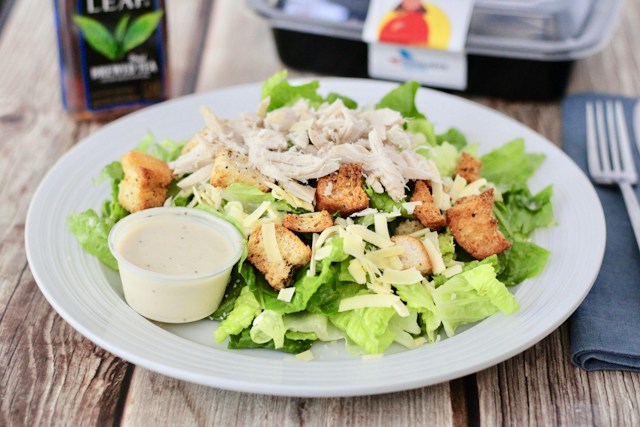
A wholesome grilled hen salad could be a wonderful meal for somebody attempting to handle their weight as a result of it combines lean protein, greens, fiber, and a managed quantity of wholesome fats in a single bowl. The vital level is that the salad itself doesn’t magically trigger fats loss.
Weight reduction usually requires an consuming sample that means that you can devour fewer energy than your physique makes use of whereas nonetheless offering sufficient vitamins to help well being and day by day exercise. The Nationwide Institute of Diabetes and Digestive and Kidney Illnesses emphasizes selecting a wholesome consuming plan that may be maintained over time, whereas present U.S. dietary steering prioritizes nutrient-dense meals similar to greens, fruits, protein meals, complete grains, and wholesome fat.
(Health.gov) That makes a hen salad helpful as a result of it’s versatile relatively than restrictive. You can also make a beneficiant bowl with crunchy lettuce, cucumber, tomatoes, bell peppers, onions, and grilled hen with out counting on giant quantities of calorie-dense substances.
Greens additionally convey water and fiber to the meal, which can assist create a satisfying portion with out including as many energy as many closely processed meals. The CDC notes that greens and fruits can assist individuals really feel full and might cut back the full energy in a meal once they substitute extra calorie-dense substances.
(CDC) Consider the salad as an enormous, colourful canvas: hen provides the protein, greens present quantity and texture, and a flavorful dressing ties all the things collectively.
Protein, Fiber, and Quantity
The actual energy of this recipe comes from the mix of protein and high-volume greens relatively than from any single ingredient. Grilled hen breast provides the salad a considerable protein part, whereas leafy greens and crunchy greens improve the bodily measurement of the meal.
That mixture could make a comparatively moderate-calorie meal really feel rather more substantial than a small serving of a calorie-dense meals. Present dietary steering locations an emphasis on protein meals and nutrient-dense complete meals, and the 2025–2030 Dietary Pointers for Individuals particularly spotlight protein, greens, fruits, wholesome fat, and complete grains as elements of a wholesome consuming sample.
(Health.gov) Fiber is one other helpful piece of the puzzle as a result of greens present fiber together with nutritional vitamins, minerals, and water. The CDC explains that the water and fiber in greens and fruits can gradual digestion and assist individuals really feel fuller.
(CDC) That doesn’t imply each salad must be extraordinarily low in energy. In reality, making a meal too small can depart you hungry quickly afterward, making it more durable to take care of a constant consuming sample.
A greater strategy is to construct a meal that feels satisfying whereas protecting parts of calorie-dense additions similar to oil, cheese, nuts, croutons, avocado, and dressing intentional.
Selecting Nutrient-Dense Elements
When making a grilled hen salad for weight reduction, ingredient high quality and portion measurement matter greater than merely labeling the dish “wholesome.” Begin with a beneficiant basis of leafy greens, then add a number of colourful greens to create selection in taste, texture, and vitamins. Skinless hen breast is a sensible lean protein alternative, and grilling avoids the extra breading and frying that may considerably change the calorie density of the meal.
MedlinePlus steering based mostly on the present Dietary Pointers recommends selecting lean meats and poultry and suggests grilling, roasting, poaching, or broiling relatively than frying. (MedlinePlus) For the dressing, extra-virgin olive oil could be paired with lemon juice, vinegar, mustard, garlic, and herbs so that you get loads of taste with no need a creamy, sugar-heavy sauce.
That doesn’t imply olive oil ought to be poured freely just because it’s thought-about a wholesome fats; oils are nonetheless calorie-dense, so measuring them could be helpful when weight reduction is the purpose. The identical precept applies to toppings.
A couple of slices of avocado or a tablespoon of seeds can add texture and dietary worth, however giant handfuls can shortly flip a lightweight salad into a way more calorie-dense meal. The purpose is to not take away gratifying meals.
It’s to offer every ingredient a helpful function and a smart portion.
Elements for the Wholesome Hen Salad
For this recipe, you will want roughly 6 ounces (170 g) boneless, skinless hen breast, 4 cups blended salad greens, 1 medium cucumber, 1 cup cherry tomatoes, 1 small bell pepper, ¼ small pink onion, and ¼ cup chopped contemporary parsley or cilantro. For the hen marinade, use 1 teaspoon olive oil, 1 tablespoon contemporary lemon juice, 1 minced garlic clove, ½ teaspoon paprika, ½ teaspoon dried oregano, ¼ teaspoon black pepper, and a small pinch of salt.
The dressing makes use of 1 tablespoon extra-virgin olive oil, 1 tablespoon lemon juice, 1 teaspoon Dijon mustard, 1 teaspoon apple cider vinegar, ½ teaspoon honey or maple syrup if desired, 1 small minced garlic clove, black pepper, and slightly water to skinny it. This ingredient mixture intentionally retains the principle construction of the meal easy: lean protein, loads of greens, a modest quantity of fats, and a strongly flavored dressing.
The American Academy of Diet and Dietetics has additionally printed a wholesome grilled hen salad recipe utilizing grilled hen, greens, lemon, Dijon mustard, and a lightweight dressing strategy, demonstrating how these substances could be mixed right into a sensible meal. (Eat Right) You may change the greens based mostly on what’s inexpensive and obtainable the place you reside.
Romaine, spinach, cabbage, carrots, cucumber, tomatoes, bell peppers, and contemporary herbs all work fantastically. If you would like extra carbohydrates after train or just favor a extra substantial meal, you possibly can add a modest portion of cooked quinoa, brown rice, corn, beans, or roasted candy potato.
Elements for the Grilled Hen
The hen is the centerpiece of this recipe, so it deserves slightly consideration. Use boneless, skinless hen breast as a result of it’s lean, simple to portion, and cooks comparatively shortly on a grill or grill pan.
Earlier than cooking, pat the hen dry and, whether it is unusually thick, gently pound it to a fair thickness so the middle and edges prepare dinner at roughly the identical charge. The easy marinade of lemon juice, garlic, paprika, oregano, black pepper, and a small quantity of olive oil provides taste with out requiring a sugary bottled sauce.
It’s also possible to experiment with cumin, chili powder, smoked paprika, Italian herbs, or slightly grated ginger relying on the flavour profile you need. The present dietary steering emphasizes minimally processed, nutrient-dense meals and consists of poultry among the many advisable protein selections.
(Health.gov) Grilling is especially handy as a result of it creates browned edges and a smoky taste whereas avoiding the coating and oil utilized in fried hen. Don’t assume that cooking hen longer makes it more healthy; overcooked hen turns into dry and chewy, which may make the complete salad much less gratifying.
Prepare dinner it completely, let it relaxation briefly, and slice it throughout the grain. That easy resting interval helps the juices redistribute so the hen stays tender while you add it to the salad.
Elements for the Salad
The greens ought to make up a big portion of the bowl as a result of they supply the quantity and freshness that make this recipe satisfying. Begin with blended greens or romaine lettuce, then add cucumber for crunch, cherry tomatoes for acidity and sweetness, bell pepper for colour, and thinly sliced pink onion for a sharper chunk.
Contemporary parsley, cilantro, basil, or mint can fully change the character of the salad with out including a lot power. It’s also possible to add shredded cabbage, grated carrot, radish, broccoli florets, celery, or spinach relying on what you have got obtainable.
The CDC particularly recommends growing greens and fruits as a part of wholesome consuming and notes that they supply nutritional vitamins, minerals, fiber, and different substances vital for good well being. (CDC) One helpful trick is to combine greens with completely different textures relatively than counting on lettuce alone.
A bowl made fully from comfortable greens can really feel boring, whereas greens mixed with crisp cucumber, juicy tomatoes, crunchy peppers, and fragrant herbs feels rather more fascinating. That issues while you’re attempting to construct a sustainable consuming sample.
In case your meals style good and supply sufficient quantity, you’re much less more likely to really feel that you’re merely “weight-reduction plan.” A wholesome meal ought to really feel like meals, not punishment.
The right way to Make Wholesome Grilled Hen Salad
Start by getting ready the hen earlier than chopping the greens. Mix the lemon juice, olive oil, garlic, paprika, oregano, black pepper, and salt in a bowl, then coat the hen evenly.
Enable it to marinate for about 15–half-hour within the fridge whilst you put together the greens. In the meantime, wash and completely dry the greens as a result of extra water could make the completed salad watery and dilute the dressing.
Chop the cucumber, tomatoes, bell pepper, and pink onion into bite-sized items, protecting the items comparatively constant so each forkful accommodates a number of substances. Preheat a grill, grill pan, or heavy skillet over medium-high warmth.
Prepare dinner the hen till it reaches a secure inner temperature of 165°F (74°C), turning it as wanted so it browns evenly with out burning the surface. Mayo Clinic’s grilled hen salad recipe equally makes use of grilled hen and permits the cooked meat to relaxation earlier than slicing, whereas its instance serving offers 222 energy and 28 grams of protein.
(Mayo Clinic) As soon as your hen is cooked, let it relaxation for a number of minutes earlier than slicing. Whereas it rests, whisk the dressing substances collectively.
Lastly, mix the greens and greens, add the sliced hen, drizzle with a measured quantity of dressing, and toss gently.
Step 1: Put together the Hen
Place the hen breast on a clear reducing board and verify its thickness. If one finish is way thicker than the opposite, gently pound it till the meat is fairly even, utilizing a food-safe methodology that avoids splashing uncooked hen juices across the kitchen.
Combine the lemon juice, olive oil, garlic, paprika, oregano, pepper, and salt, then coat the hen completely. Let it sit for 15–half-hour, however keep away from excessively lengthy acidic marinades as a result of lemon juice can have an effect on the feel of the meat.
Warmth your grill or grill pan earlier than including the hen. You need sufficient warmth to brown the floor whereas permitting the middle to prepare dinner correctly.
Grill the hen till the thickest portion reaches 165°F (74°C) in response to a meals thermometer. As soon as cooked, switch it to a clear plate or reducing board and let it relaxation for about 5 minutes.
Slicing instantly may cause among the juices to flee onto the reducing board relatively than remaining within the meat. Mayo Clinic’s recipe additionally recommends permitting grilled hen to relaxation earlier than slicing.
(Mayo Clinic) Slice the hen into strips or bite-sized items solely after resting. This offers you tender items that distribute evenly all through the salad relatively than one giant piece sitting on prime.
The right way to Grill Hen With out Drying It Out
Dry hen is without doubt one of the quickest methods to show an thrilling salad right into a disappointing meal. The best answer is to keep away from treating hen breast like a chunk of steak that should keep on the grill indefinitely.
Begin with a fair thickness, use moderate-to-medium-high warmth, and monitor the interior temperature as an alternative of relying solely on cooking time. Hen breasts differ significantly in measurement, so a set instruction similar to “prepare dinner for precisely eight minutes” can not assure the identical consequence each time.
A meat thermometer provides you significantly better management. As soon as the middle reaches 165°F (74°C), take away the hen and permit it to relaxation.
One other helpful approach is to brush the grill or pan calmly with oil relatively than drowning the hen in oil. The marinade already accommodates a small quantity of fats, so extra oil ought to be minimal.
It’s also possible to add taste after cooking with contemporary lemon juice, herbs, black pepper, or a small spoonful of dressing. Do not forget that a weight-loss-friendly recipe doesn’t should be dry, bland, or joyless.
The purpose is to create a meal the place robust substances do extra work. Garlic, lemon, herbs, mustard, vinegar, smoked paprika, and contemporary greens could make a bowl style surprisingly wealthy with out requiring giant quantities of butter, cream, cheese, or sugary sauce.
Step 2: Put together the Greens
Whereas the hen is cooking, put together the greens so the salad could be assembled as quickly because the meat has rested. Wash leafy greens completely and dry them nicely, as a result of moist lettuce prevents dressing from coating the leaves correctly.
Slice the cucumber into half-moons, halve the cherry tomatoes, minimize the bell pepper into skinny strips, and slice the pink onion very thinly. If uncooked onion tastes too robust, soak the slices in chilly water for a couple of minutes and drain them earlier than including them to the bowl.
This retains the onion crisp whereas softening its sharpness. Add contemporary herbs in case you have them as a result of herbs are one of many best methods to make a easy salad style restaurant-worthy.
It’s also possible to put together extra greens forward of time, which makes this recipe simpler to repeat throughout a busy week. The present CDC steering emphasizes that greens can assist improve meal quantity whereas protecting energy comparatively low, significantly once they substitute extra calorie-dense substances.
(CDC) That concept is very helpful right here. As an alternative of including an enormous quantity of cheese, fried toppings, or creamy dressing as a result of the salad feels small, first improve the greens.
A bigger pile of colourful produce could make the meal feel and look considerable with out dramatically altering its calorie density.
Step 3: Make the Wholesome Dressing
A superb dressing could make or break a hen salad. For this model, whisk collectively one tablespoon of olive oil, one tablespoon of lemon juice, one teaspoon Dijon mustard, one teaspoon apple cider vinegar, garlic, black pepper, and a small quantity of honey or maple syrup if you happen to favor a barely sweeter taste.
Add one or two teaspoons of water if the dressing appears too concentrated. Style it earlier than including it to the salad and regulate the acidity, salt, pepper, or sweetness in response to your desire.
The hot button is to make use of a measured amount relatively than pouring dressing immediately from the bottle into the bowl. A dressing can comprise nutritious substances and nonetheless contribute a considerable quantity of energy when used closely.
That is one cause restaurant salads typically comprise much more energy than individuals anticipate. You do not want to get rid of oil to make a wholesome salad; you merely want to make use of it intentionally.
Present dietary steering consists of wholesome fat as a part of a nutrient-dense consuming sample whereas additionally emphasizing limits on much less fascinating sources of added sugars, saturated fat, and extremely processed meals. (Health.gov) The lemon-mustard mixture is especially helpful as a result of acidity and mustard present robust taste, permitting a comparatively small quantity of oil to coat a surprisingly giant bowl.
Step 4: Assemble and Serve
Add the greens to a big bowl, adopted by cucumber, tomatoes, bell pepper, pink onion, and contemporary herbs. Place the sliced grilled hen on prime, then drizzle over roughly half of the dressing.
Toss all the things gently and add extra dressing provided that obligatory. This strategy provides you rather more management than including the complete dressing instantly.
If you happen to’re getting ready the salad for later, hold the dressing separate till you’re able to eat. For an entire meal, you possibly can serve the salad precisely as written or add a modest serving of a fiber-rich carbohydrate similar to quinoa, brown rice, beans, or roasted candy potato.
The correct quantity will depend on your particular person power wants and the remainder of your day by day meals. A salad doesn’t should be carbohydrate-free to help weight administration.
In reality, overly restrictive guidelines could make an consuming sample tough to take care of. NIDDK steering emphasizes selecting a wholesome consuming plan that may be maintained over time, with greens, fruits, complete grains, and protein meals among the many advisable elements.
(NIDDK) Serve the salad instantly for optimum crunch. The distinction between cool greens and heat grilled hen is very gratifying, and the mix of acidity, herbs, garlic, and smoky hen provides the dish sufficient character to face alone as lunch or dinner.
Diet and Portion Information
The precise diet of home made hen salad relies upon closely on the portions and types of substances used, so it’s higher to deal with diet estimates as approximations relatively than guarantees. As a helpful reference level, Mayo Clinic’s grilled hen salad offers 222 energy, 28 grams of protein, 14 grams of carbohydrate, 6 grams of fats, and three grams of dietary fiber per serving, with a serving consisting of two cups of salad and three ounces of grilled hen.
(Mayo Clinic) Your model might comprise extra or fewer energy relying on how a lot hen, oil, avocado, cheese, nuts, grains, and dressing you employ. A sensible serving for this recipe is one giant bowl containing roughly 4–6 ounces of cooked hen and a beneficiant quantity of non-starchy greens.
If you happen to want extra power, including a managed serving of complete grains or starchy greens could make the meal extra substantial. If you happen to’re aiming for a lower-calorie meal, improve the greens and hold high-calorie toppings and dressing measured.
Keep away from chasing an arbitrary calorie quantity just because one other recipe lists it. Particular person power necessities differ based mostly on physique measurement, age, exercise degree, and different components.
NIDDK notes that individuals searching for weight reduction usually want to scale back calorie consumption whereas sustaining a wholesome consuming sample, relatively than counting on one particular meals to supply weight reduction. (NIDDK) This salad ought to subsequently be considered as a helpful meal-building instrument, not a assured weight-loss system.
Suggestions for Making the Salad Extra Filling
If you happen to often really feel hungry shortly after consuming salad, the answer will not be to desert salad altogether. As an alternative, look at whether or not the bowl accommodates sufficient protein, fiber, and general quantity.
Begin with a considerable serving of greens, then add sufficient grilled hen to make the meal really feel like an actual major course relatively than a aspect dish. If you happen to train often or just want extra carbohydrates, add a small portion of quinoa, beans, lentils, brown rice, corn, or candy potato.
Just a little avocado, nuts, or seeds can present wholesome fat and extra texture, however measure them as a result of calorie density rises shortly with these substances. The plate-method idea highlighted by dietitians in current diet steering equally emphasizes a big proportion of non-starchy greens alongside a protein supply and a portion of fiber-rich carbohydrates, with a modest quantity of wholesome fats.
(EatingWell) One other trick is to extend sensory selection. Add one thing crunchy, one thing juicy, one thing acidic, and one thing fragrant.
A salad with 5 completely different textures can really feel significantly extra satisfying than one with lettuce and hen alone. If starvation stays a constant downside regardless of consuming balanced meals, it might be helpful to evaluation your general consuming sample relatively than merely making particular person meals smaller.
Sustainable weight administration is constructed throughout days and weeks, not decided by one bowl of salad.
Wholesome Variations and Substitutions
After getting the fundamental recipe down, you possibly can create dozens of variations with out altering its elementary construction. For a Mediterranean-style model, add cucumber, tomatoes, parsley, a small quantity of olives, and a sprinkle of feta.
For a spicy model, season the hen with smoked paprika, cumin, chili powder, and lime, then add jalapeño and cilantro to the salad. For an Asian-inspired bowl, substitute the Mediterranean herbs with cabbage, carrot, cucumber, scallions, cilantro, lime juice, and a small quantity of low-sodium soy sauce within the dressing.
It’s also possible to substitute hen breast with grilled turkey, tofu, shrimp, or one other lean protein if you would like selection. Beans and lentils can add plant protein and fiber, whereas quinoa or brown rice could make the bowl extra substantial.
The present Dietary Pointers encourage selection amongst protein meals and embody poultry, seafood, eggs, beans, peas, lentils, nuts, seeds, and soy merchandise amongst protein selections. (Health.gov) This flexibility is vital as a result of consuming the identical meal daily can shortly turn into monotonous.
A weight-management meal ought to be adaptable to your preferences, funds, cooking tools, and native substances. In case you are procuring in an Indonesian market, for instance, cabbage, cucumber, tomatoes, carrots, lengthy beans, herbs, lime, and grilled hen can create a wonderful variation with out requiring specialty imported substances.
Meal Prep and Storage Suggestions
This recipe is especially helpful for meal prep as a result of most elements could be ready individually. Grill a number of hen breasts without delay, permit them to chill, slice them, and portion them into hermetic containers.
Wash and dry the greens completely, then retailer them individually from juicy greens each time potential. Cucumbers and tomatoes can launch water over time, so protecting them in their very own containers can assist protect the feel of the greens.
Put together the dressing in a small sealed jar and refrigerate it till wanted. Whenever you’re able to eat, mix the greens and greens, add the hen, shake the dressing nicely, and use a measured portion.
Retaining the dressing separate is without doubt one of the best methods to stop soggy salad. Cooked hen ought to be refrigerated promptly and dealt with in response to customary food-safety practices; when doubtful, comply with the storage steering offered by your native food-safety authority.
It’s also possible to freeze cooked hen individually if you wish to put together protein for an extended interval, though freshly ready hen usually has a greater texture for salads. Meal prep works as a result of it removes friction.
When a balanced meal is already ready within the fridge, grabbing a fast-food meal or a closely processed snack turns into much less handy because the default. The target shouldn’t be excellent meal preparation.
It’s making the more healthy alternative simpler while you’re hungry and busy.
Widespread Errors to Keep away from
One of the widespread errors is assuming that each salad is mechanically low-calorie. A bowl full of fried hen, cheese, bacon, croutons, creamy dressing, candied nuts, and enormous quantities of avocado could be much more calorie-dense than a easy grilled hen salad.
One other mistake is utilizing too little protein after which questioning why the meal doesn’t hold you happy. A 3rd is selecting a bottled dressing with out checking the serving measurement, then pouring a number of servings over the salad with out realizing it.
You must also keep away from cooking hen till it turns into extraordinarily dry just because you are attempting to make it “leaner.” Hen breast is already a lean protein alternative; extreme cooking doesn’t make it extra helpful. Present dietary steering encourages nutrient-dense meals and recommends limiting extremely processed meals, added sugars, extra sodium, and unhealthy fat.
(Health.gov) One other widespread mistake is making the recipe so restrictive that you just dislike consuming it. If you happen to genuinely get pleasure from cheese, avocado, nuts, or complete grains, you possibly can embody modest parts relatively than declaring them forbidden.
Sustainable consuming is often extra sensible than a protracted listing of meals you’re by no means allowed to eat. One of the best model of this salad is one you possibly can put together repeatedly, get pleasure from, and match sensibly into your general consuming sample.
Conclusion
This wholesome grilled hen salad recipe for weight reduction is constructed round a easy thought: make a meal that’s filling, flavorful, nutrient-dense, and sensible sufficient to eat often. Grilled hen provides a handy lean protein supply, whereas leafy greens and colourful greens present quantity, fiber, water, nutritional vitamins, minerals, and loads of texture.
A home made lemon-mustard dressing provides brightness with out requiring a heavy creamy sauce, and elective substances similar to quinoa, beans, candy potato, avocado, or seeds let you regulate the meal in response to your urge for food and dietary wants. Present diet steering helps consuming patterns centered on nutrient-dense meals, together with greens, fruits, protein meals, complete grains, and wholesome fat, whereas limiting extremely processed meals and extra added sugars and sodium.
(Health.gov) The vital distinction is that the salad itself doesn’t trigger weight reduction. It might merely make it simpler to construct satisfying meals that match inside an applicable calorie consumption.
NIDDK equally emphasizes selecting an consuming plan that may be maintained over time relatively than counting on a short lived weight loss program. (NIDDK) So make the bowl colourful, season the hen nicely, measure calorie-dense toppings, and provides your self permission to adapt the recipe.
When wholesome meals tastes genuinely good, wholesome consuming turns into much less like a problem and extra like a standard a part of on a regular basis life.
FAQs
1. Is grilled hen salad good for weight reduction?
A grilled hen salad can match nicely right into a weight-management consuming sample as a result of it could actually present lean protein, greens, fiber, and managed quantities of fats. Nevertheless, the salad itself doesn’t immediately trigger weight reduction.
Weight administration will depend on your general calorie consumption, exercise, consuming sample, and particular person circumstances. Utilizing loads of greens and a measured quantity of dressing could make it simpler to create a satisfying meal with out relying closely on calorie-dense substances.
The CDC notes that greens and fruits can improve meal quantity and assist individuals really feel full whereas contributing comparatively fewer energy than many calorie-dense meals. (CDC) For the most effective consequence, assume past the label “weight-loss salad.” Construct a meal that you just truly get pleasure from and might proceed consuming constantly.
In case your salad leaves you hungry after an hour, improve the protein or add an applicable portion of fiber-rich carbohydrates relatively than merely making the meal smaller.
2. What number of energy are in a wholesome grilled hen salad?
There isn’t a single calorie rely as a result of the substances and parts can differ dramatically. A salad made with grilled hen, greens, olive oil, avocado, cheese, nuts, and a beneficiant dressing will comprise significantly extra energy than one made principally from greens, lean hen, and a small quantity of French dressing.
As a reference, Mayo Clinic lists a grilled hen salad serving containing two cups of salad and three ounces of grilled hen at 222 energy and 28 grams of protein. (Mayo Clinic) Your home made model could also be increased or decrease relying in your substances.
If energy are vital to your private weight-management plan, measuring oil and dressing is especially helpful as a result of these substances are simple to underestimate. As an alternative of obsessing over one actual quantity, concentrate on making a balanced serving that accommodates a considerable quantity of greens and an applicable portion of protein.
3. Can I eat hen salad daily whereas attempting to reduce weight?
You may embody hen salad ceaselessly if it suits your dietary wants and general consuming sample, however consuming precisely the identical meal daily shouldn’t be obligatory. Selection makes it simpler to acquire a broader vary of vitamins and might stop boredom.
You may rotate the greens, herbs, dressings, and protein sources whereas protecting the identical fundamental meal construction. For instance, at some point you may use lemon and herbs, one other day lime and chili, and one other day a mustard French dressing with roasted greens.
Present dietary steering emphasizes selection throughout nutrient-dense meals and consists of a number of completely different protein sources. (Health.gov) If hen salad is handy for you, there’s nothing inherently mistaken with consuming it often.
Simply ensure that your broader weight loss program additionally consists of completely different greens, fruits, complete grains, legumes, and different applicable protein sources.
4. What dressing is finest for a weight-loss-friendly hen salad?
A easy home made lemon-Dijon French dressing is a superb choice as a result of it combines robust flavors from lemon, mustard, vinegar, garlic, and herbs with a managed quantity of olive oil. The hot button is to not deal with any dressing as limitless just because it accommodates wholesome substances.
Olive oil is a nutritious supply of unsaturated fats, however it’s nonetheless calorie-dense, so measuring the quantity can assist in case you are monitoring your power consumption. It’s also possible to make a yogurt-based dressing utilizing plain Greek yogurt, lemon juice, mustard, garlic, herbs, and slightly water to create a creamy texture.
One other easy choice is lemon juice, vinegar, herbs, black pepper, and a small quantity of olive oil. One of the best dressing is in the end the one which makes your salad gratifying whereas becoming your dietary targets.
Sturdy acidity, herbs, garlic, mustard, and spices can present loads of taste with out requiring a big amount of dressing.
5. Can I add rice or different carbohydrates to grilled hen salad?
Sure. Including an inexpensive portion of carbohydrate doesn’t mechanically make a hen salad unsuitable for weight administration. Entire grains, beans, lentils, and greens can all contribute carbohydrates together with fiber and different vitamins. Present dietary steering consists of complete grains and legumes inside wholesome consuming patterns, whereas NIDDK recommends together with meals similar to complete grains as a part of a wholesome consuming plan.
(Health.gov) In case you are significantly energetic, a serving of brown rice, quinoa, beans, or candy potato could make the salad extra satisfying and supply extra power. Portion measurement nonetheless issues, particularly if the salad already accommodates calorie-dense toppings similar to avocado, cheese, nuts, or a considerable dressing.
As an alternative of viewing carbohydrates as one thing that should be eradicated, take into account them one part of the meal. A balanced bowl can comprise greens, protein, a smart carbohydrate portion, and a modest quantity of wholesome fats.

Lifestyle blogger and creative writer sharing passion for fashion, home recipes, travel adventures, and everyday inspiration. Dedicated to offering honest reviews, style ideas, and personal stories to help readers embrace a stylish, joyful, and well-rounded lifestyle.