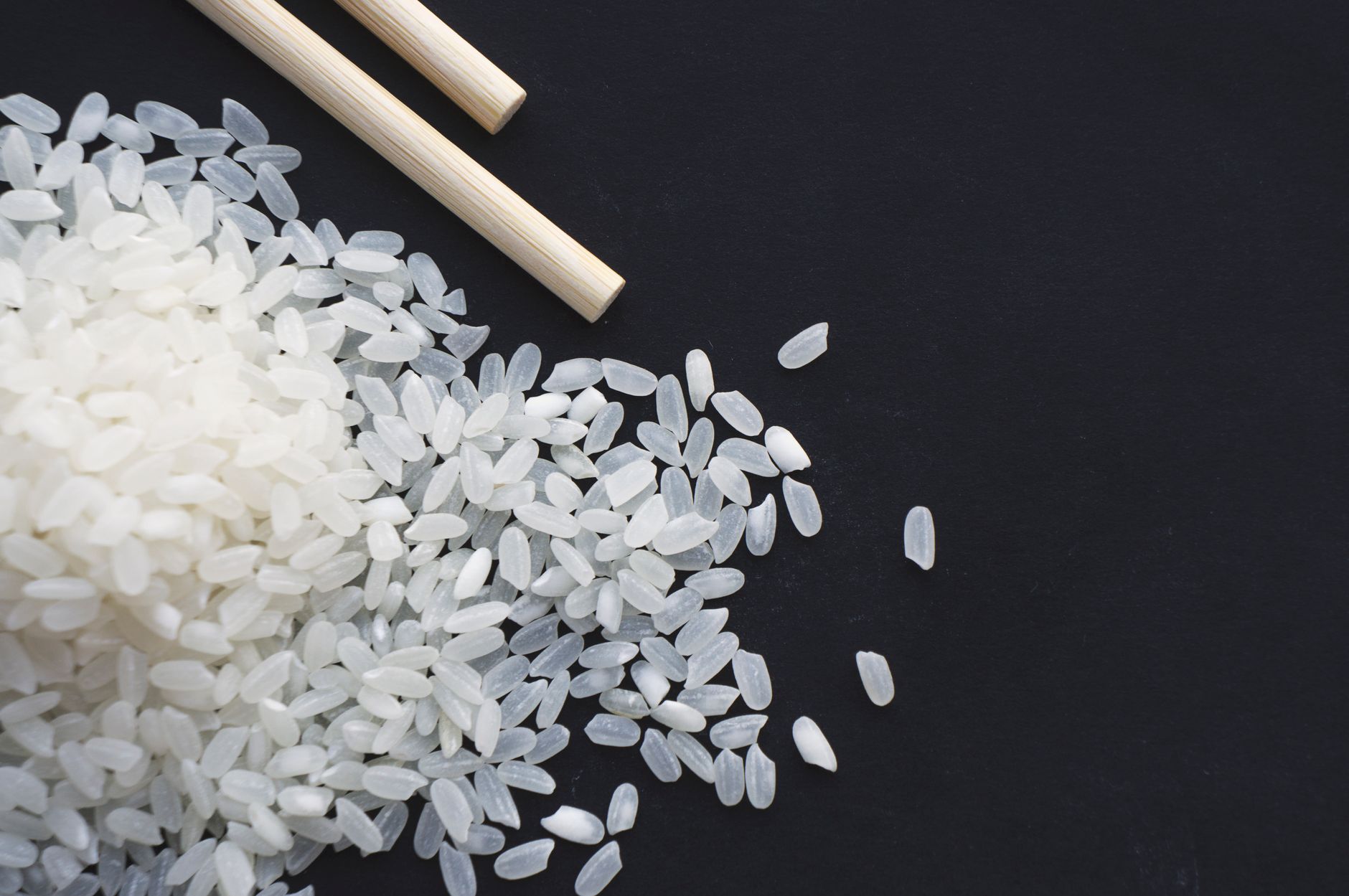
Japanese house cooking, often known as katei ryori, is among the most comforting and approachable cuisines you’ll be able to study. It focuses on easy strategies, recent components, and balanced flavors moderately than sophisticated shows.
If in case you have ever loved a heat bowl of miso soup or a plate of hen teriyaki at a restaurant, you’ll be able to recreate that very same expertise in your personal kitchen. This information walks you thru beginner-friendly recipes that construct your confidence one dish at a time.
Why Japanese Residence Cooking Is Good for Novices
In contrast to restaurant-style Japanese delicacies, house cooking prioritizes on a regular basis components and fast preparation. Most dishes come collectively in beneath thirty minutes with instruments you already personal.
The core flavors depend on a small pantry of staples: soy sauce, mirin, sake, miso, and dashi. When you inventory these 5 gadgets, you’ll be able to cook dinner dozens of meals.
- Easy strategies: simmering, grilling, and steaming dominate the kitchen.
- Balanced diet: a typical meal contains rice, soup, a fundamental dish, and greens.
- Forgiving recipes: small errors hardly ever break a dish as a result of flavors are delicate and adaptable.
Better of all, Japanese house cooking teaches you to respect components. You’ll study to style as you go and alter seasoning to your personal desire.
Important Pantry Gadgets to Get Began
Earlier than you cook dinner, collect your basis. This stuff final for months and seem in almost each recipe under.
- Soy sauce (shoyu): the spine of savory taste.
- Mirin: a candy rice wine that provides shine and depth.
- Sake: used for cooking to tenderize and take away odors.
- Miso paste: fermented soybean paste for soups and marinades.
- Dashi: a easy inventory produced from kombu and bonito flakes.
- Rice vinegar: delicate acidity for dressings and sushi rice.
You could find all of those at most supermarkets or Asian grocery shops. In case you can not find dashi, immediate dashi powder works completely for newcomers.
Recipe 1: Traditional Miso Soup (10 Minutes)
Miso soup is the guts of a Japanese meal. It’s heat, savory, and extremely simple as soon as you realize the ratio.
Components
- 2 cups dashi inventory
- 2 tablespoons miso paste
- 1/4 block gentle tofu, cubed
- 1 tablespoon dried wakame seaweed
- 1 inexperienced onion, thinly sliced
Directions
- Warmth the dashi in a pot over medium warmth till it simmers gently.
- Add the tofu and wakame, then cook dinner for 2 minutes.
- Ladle a small quantity of scorching dashi right into a bowl and whisk within the miso paste till clean.
- Pour the combination again into the pot and switch off the warmth instantly.
- Garnish with inexperienced onion and serve scorching.
Essential tip: by no means boil miso soup after including the paste. Boiling destroys the flavour and useful cultures within the miso.
Recipe 2: Rooster Teriyaki (20 Minutes)
Teriyaki might be probably the most acknowledged Japanese dish worldwide. The identify comes from teri (shiny shine) and yaki (grill).
Components
- 2 hen thighs, boneless and skinless
- 3 tablespoons soy sauce
- 2 tablespoons mirin
- 1 tablespoon sake
- 1 tablespoon sugar
- 1 teaspoon grated ginger
Directions
- Combine soy sauce, mirin, sake, sugar, and ginger in a small bowl.
- Warmth a pan over medium warmth and place the hen thighs clean aspect down.
- Prepare dinner for 5 minutes till golden, then flip and cook dinner one other 4 minutes.
- Pour the sauce into the pan and simmer till it thickens right into a glaze.
- Coat the hen evenly, then slice and serve over steamed rice.
The sauce ought to cling to the hen like a shiny lacquer. If it turns into too thick, add a splash of water.
Recipe 3: Onigiri Rice Balls (15 Minutes)
Onigiri are moveable rice balls typically crammed with salmon, tuna, or pickled plum. They’re excellent for lunchboxes and newbie cooks.
Components
- 2 cups cooked Japanese short-grain rice
- Salt
- 1 can tuna combined with 1 tablespoon mayonnaise
- Nori seaweed sheets
Directions
- Moist your arms and rub a pinch of salt in your palms.
- Place a scoop of rice in a single hand and make a small indentation.
- Add a teaspoon of tuna filling, then cowl with extra rice.
- Form right into a triangle by urgent gently with each arms.
- Wrap with a strip of nori and serve.
Newbie tip: hold your arms moist to forestall the rice from sticking. Don’t press too laborious, or the rice turns into dense.
Recipe 4: Vegetable Tempura (25 Minutes)
Tempura sounds intimidating, however the secret is a chilly batter and scorching oil. The temperature distinction creates that gentle, crispy shell.
Components
- 1 cup all-purpose flour
- 1 cup ice-cold water
- 1 egg
- Sliced greens: candy potato, zucchini, mushrooms, inexperienced beans
- Oil for frying
Directions
- Warmth oil in a deep pan to 350°F (175°C).
- Whisk the egg and chilly water, then add flour and stir calmly. Lumps are high-quality.
- Dip every vegetable slice into the batter.
- Fry in small batches for 2 to a few minutes till gentle golden.
- Drain on a rack and serve with tentsuyu dipping sauce.
Keep away from overmixing the batter. Overworked batter develops gluten, which makes tempura heavy as a substitute of ethereal.
Ideas for Constructing a Full Japanese Meal
A standard Japanese meal follows a easy construction referred to as ichiju sansai, which means one soup and three dishes. You don’t want to comply with it strictly, however it helps you intend balanced meals.
- Rice: the centerpiece of the meal.
- Soup: often miso soup.
- Primary protein: fish, hen, or tofu.
- Aspect dishes: pickles, simmered greens, or salad.
Begin with two dishes and steadily add extra as you develop comfy. Cooking ought to really feel pleasurable, not overwhelming.
Widespread Newbie Errors to Keep away from
Even easy recipes can go mistaken should you rush. Listed below are probably the most frequent pitfalls.
- Utilizing the mistaken rice: at all times select short-grain Japanese rice for the best texture.
- Boiling miso: add miso on the very finish, off the warmth.
- Overcrowding the pan: cook dinner in batches so meals browns as a substitute of steams.
- Skipping the remaining: let teriyaki hen relaxation earlier than slicing to maintain it juicy.
Every mistake teaches you one thing. Take note of warmth, timing, and style, and your abilities will enhance shortly.
Conclusion: Begin Cooking Japanese Meals At this time
Japanese house cooking shouldn’t be about perfection. It’s about stability, simplicity, and care.
With only a handful of pantry staples and the 4 recipes above, you’ll be able to create satisfying meals any evening of the week.
Start with miso soup and teriyaki hen, then department out to onigiri and tempura as your confidence grows. Quickly, these dishes will really feel as pure as your personal household recipes.
The next move: decide one recipe from this information, collect your components, and cook dinner it tonight. Share your ends in the feedback under, and discover extra culinary inspiration on Irina Thayer.
Completely satisfied cooking!

Lifestyle blogger and creative writer sharing passion for fashion, home recipes, travel adventures, and everyday inspiration. Dedicated to offering honest reviews, style ideas, and personal stories to help readers embrace a stylish, joyful, and well-rounded lifestyle.