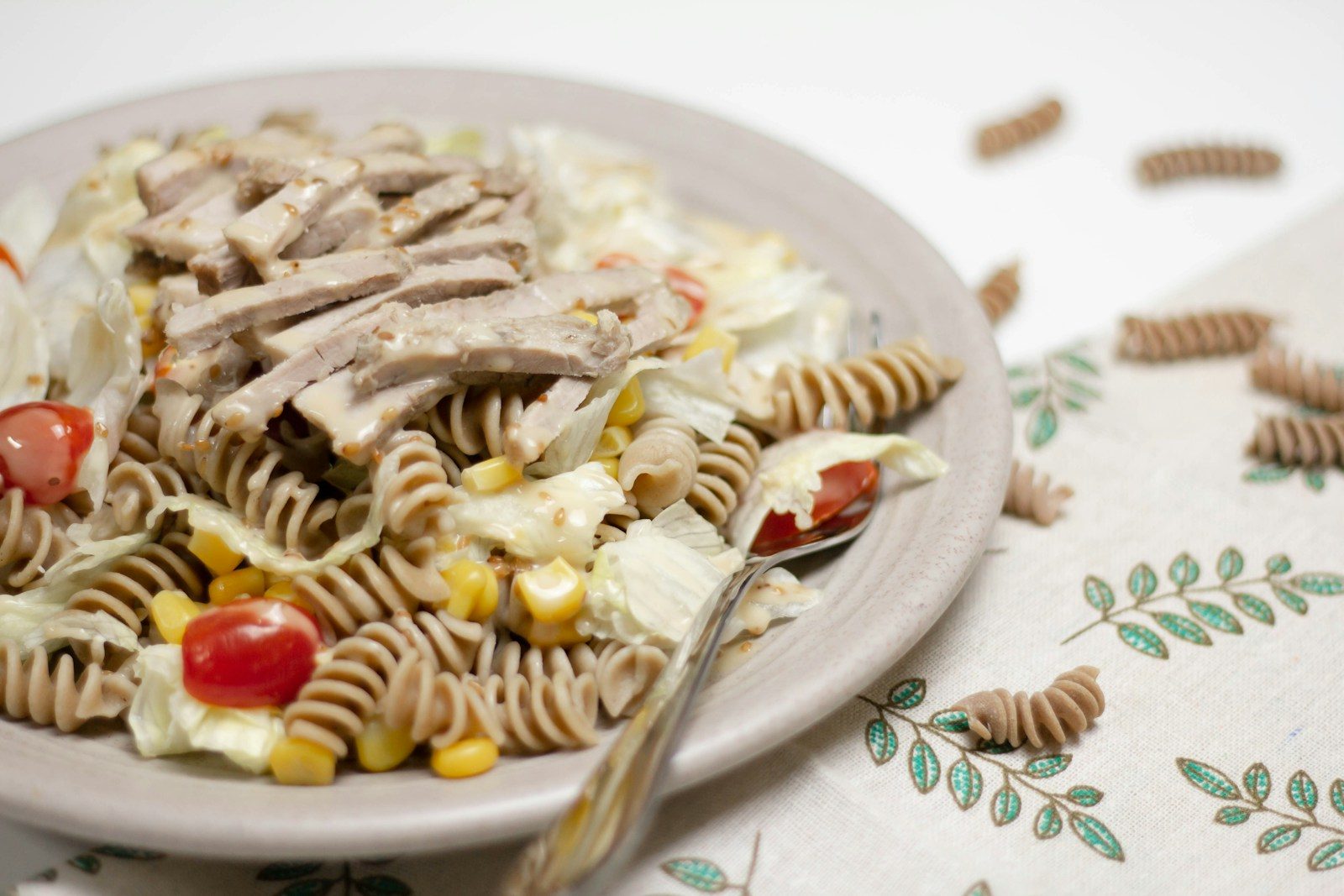
If you want a pasta salad that feels creamy, fresh, colorful, and genuinely satisfying, this creamy pesto pasta salad recipe deserves a spot in your regular rotation. It combines tender pasta with vibrant basil pesto, a smooth creamy dressing, juicy tomatoes, crisp vegetables, and cheese for a dish that works equally well as a quick lunch, a family dinner side, a picnic favorite, or a potluck centerpiece.
Unlike heavier pasta salads that can taste overwhelmingly rich, this version balances its creamy texture with bright pesto, a little lemon, fresh vegetables, and plenty of herbs. The result is a chilled pasta salad with layers of flavor rather than one-note richness.
The key to making a great pesto pasta salad is surprisingly simple: treat the pasta properly, cool it before adding the pesto, and use enough dressing to keep everything luscious after refrigeration. Barilla’s pasta-salad guidance recommends cooking pasta about one minute less than the package directions so it stays pleasantly al dente after cooling and mixing with dressing.
Their recipes also demonstrate the usefulness of cooling pasta in a single layer before combining it with pesto and fresh ingredients.
This recipe takes those practical techniques and turns them into an easy homemade version with a creamy pesto dressing. You can use homemade pesto when fresh basil is abundant, or grab your favorite refrigerated or jarred pesto when you need dinner on the table quickly.
Either way, the combination of basil, Parmesan, garlic, olive oil, pasta, and creamy ingredients creates the kind of cold pasta salad that disappears quickly from the serving bowl.
Creamy Pesto Pasta Salad Recipe Overview
Why This Pasta Salad Works
The appeal of creamy pesto pasta salad comes from contrast. The pasta is soft but still has enough bite to remain interesting.
The pesto brings basil, garlic, Parmesan, nuts, and olive oil into the dish, while the creamy element rounds out those stronger flavors and coats every piece of pasta. Tomatoes add juicy acidity, while optional cucumber, red onion, olives, spinach, or roasted vegetables can provide crunch and freshness.
A little lemon juice or zest is especially helpful because it prevents the dressing from tasting flat or overly heavy.
A useful starting point is about 12 ounces of short pasta, 3/4 cup pesto, 1/2 cup mayonnaise or Greek yogurt, 2 tablespoons lemon juice, 1 cup cherry tomatoes, 1/2 cup mozzarella or feta, and a handful of fresh basil. You can adjust those proportions depending on how saucy you like your pasta salad.
If you prefer an especially creamy result, add a little more dressing at the end rather than making the entire mixture excessively rich from the beginning. Cold pasta tends to absorb dressing as it sits, so reserving a few tablespoons of pesto dressing for later can make a noticeable difference.
The recipe also works beautifully because pesto is naturally suited to pasta. Traditional pesto combines basil, garlic, pine nuts, olive oil, and hard cheese, creating a concentrated sauce that clings well to pasta.
When that pesto is blended with a creamy ingredient and brightened with lemon, it becomes a dressing that is ideal for a chilled salad rather than a hot pasta dish.
What Makes the Dressing Extra Creamy
There are several ways to make the dressing creamy, and there is no single correct choice. Mayonnaise produces the richest, smoothest dressing and is particularly good when you want a classic deli-style pasta salad texture. Greek yogurt creates a lighter, tangier dressing with plenty of body, while sour cream provides richness and a pleasant cultured flavor. You can also combine two ingredients, such as mayonnaise and Greek yogurt, to get the best qualities of both.
For a balanced homemade dressing, whisk together 3/4 cup basil pesto, 1/3 cup mayonnaise, 1/3 cup plain Greek yogurt, 2 tablespoons fresh lemon juice, 1 tablespoon extra-virgin olive oil, and 1–2 tablespoons water or milk. Season with black pepper and salt only after tasting because prepared pesto and cheese can already contain quite a bit of salt.
The dressing should taste slightly stronger and more acidic than you want the final salad to taste because the pasta will mellow those flavors.
If your dressing looks too thick, do not immediately add a large amount of liquid. Start with one teaspoon of water or milk at a time and whisk until it reaches a pourable but still creamy consistency.
You want the dressing to coat the pasta rather than pool at the bottom of the bowl. Barilla similarly notes that pesto can be loosened when necessary, and its pasta-salad recipes emphasize combining chilled pasta with pesto and other ingredients once the pasta has cooled.
Ingredients for Creamy Pesto Pasta Salad
Pasta and Pesto
For the pasta, choose a short shape with curves, ridges, folds, or tubes that can capture the creamy pesto dressing. Rotini, fusilli, cellentani, penne, and farfalle are all excellent choices. You need approximately 12 ounces of dry pasta for a salad that serves about six people as a side dish.
If you are preparing it as a main meal, increase the quantity of vegetables and protein rather than simply doubling the pasta.
For the pesto, you need approximately 3/4 cup prepared basil pesto. Homemade pesto gives you control over the amount of garlic, cheese, nuts, and olive oil, while store-bought pesto makes this recipe much faster.
Traditional pesto commonly features basil, pine nuts, garlic, extra-virgin olive oil, and grated cheese, so a pesto with those characteristics will provide the most classic flavor.
You can also experiment with sun-dried tomato pesto, arugula pesto, spinach pesto, or a pesto made with pistachios instead of pine nuts. Each variation changes the personality of the salad while keeping the basic preparation the same.
If using a very thick pesto from a jar, loosen it slightly before combining it with the creamy ingredients so you do not end up with dense pockets of pesto throughout the salad.
Fresh Vegetables and Cheese
For the vegetables, cherry tomatoes are an excellent starting point because they remain juicy without making the entire salad watery. Halve about 1 cup of cherry or grape tomatoes.
You can also add 1/2 cup diced cucumber, 1/4 cup finely sliced red onion, a handful of baby spinach, chopped roasted red peppers, or a small amount of sweet corn.
For cheese, fresh mozzarella provides a mild, milky contrast to the bold pesto. Feta brings more saltiness and tang, while Parmesan adds a sharper savory flavor.
Small mozzarella pearls are particularly convenient because they require almost no preparation. Barilla’s pesto pasta salad recipes frequently pair pesto with ingredients such as mozzarella, tomatoes, feta, cucumber, peppers, and fresh herbs, demonstrating how naturally these ingredients work together.
Fresh basil is optional but highly recommended. Tear or thinly slice a small handful immediately before serving.
If you have fresh Parmesan, shave a little over the finished salad for a more polished presentation. A final grind of black pepper and a little lemon zest can also make the salad look and taste much fresher.
Creamy Dressing Ingredients
The creamy dressing is where this recipe becomes different from a basic pesto pasta salad. Combine pesto with mayonnaise, Greek yogurt, lemon juice, and a small amount of olive oil.
The mayonnaise supplies richness, the yogurt contributes tang, the lemon cuts through the richness, and the olive oil reinforces the flavor of the pesto.
For approximately six servings, try:
| Ingredient | Amount |
|---|---|
| Short pasta | 12 oz |
| Basil pesto | 3/4 cup |
| Mayonnaise | 1/3 cup |
| Plain Greek yogurt | 1/3 cup |
| Fresh lemon juice | 2 tbsp |
| Extra-virgin olive oil | 1 tbsp |
| Cherry tomatoes | 1 cup |
| Cucumber | 1/2 cup |
| Red onion | 1/4 cup |
| Mozzarella or feta | 1/2–1 cup |
| Fresh basil | 1/4 cup, loosely packed |
| Black pepper | To taste |
| Salt | To taste |
This is a flexible formula rather than a rigid rule. If you love pesto, increase it slightly.
If you want a lighter dressing, increase the yogurt and reduce the mayonnaise. If your salad contains salty feta or olives, go easy on additional salt.
How to Make Creamy Pesto Pasta Salad
Cook the Pasta Properly
Bring a large pot of generously salted water to a boil. Add the pasta and cook it according to the package directions, but aim to drain it about one minute before the recommended cooking time.
That small adjustment helps the pasta maintain its structure after cooling and prevents the finished salad from becoming soft or mushy.
Barilla specifically recommends cooking pasta for pasta salad one minute less than the package instructions to preserve an al dente texture. It also advises against rinsing the pasta because rinsing removes starch that can help the dressing cling to the noodles.
Once the pasta is drained, shake the colander well to remove excess water. Transfer the pasta to a large baking sheet or wide shallow tray and spread it into an even layer.
Toss it with a small drizzle of olive oil if needed to prevent sticking while it cools. Let it cool until it is no longer warm before adding the creamy pesto dressing.
Avoid tossing hot pasta directly with the creamy dressing. Heat can loosen mayonnaise or yogurt-based mixtures, and warm pasta can absorb the dressing unevenly.
Cooling the pasta first gives you much better control over the final texture.
Cool the Pasta Before Dressing
Cooling the pasta is one of the easiest steps to skip and one of the most important steps to get right. Once drained, spread the pasta into a single layer rather than leaving it in a deep, hot pot.
This allows steam to escape and helps the pasta cool evenly.
Barilla recommends spreading cooked pasta on a baking sheet and allowing it to reach room temperature before assembling pasta salad. Its pesto pasta salad recipes also emphasize cooling the pasta completely before adding pesto, particularly when you want to preserve the freshness and color of the sauce.
Do not leave the pasta sitting out indefinitely. Once it has cooled enough to handle and is no longer releasing substantial steam, proceed with the recipe or refrigerate it in an airtight container if you are preparing it ahead.
If you are making the pasta several hours in advance, cool it promptly and refrigerate it rather than leaving it at room temperature.
The cooled pasta should feel firm and separate easily when tossed. If some pieces have stuck together, a small drizzle of olive oil and a gentle toss will loosen them before you add the dressing.
Make the Creamy Pesto Dressing
While the pasta cools, prepare the dressing. Add the pesto, mayonnaise, Greek yogurt, lemon juice, and olive oil to a medium bowl.
Whisk everything together until smooth and evenly combined. Taste before adding salt because pesto often contains Parmesan or another hard cheese, which can already make the dressing fairly salty.
The flavor should be vibrant rather than merely creamy. If it tastes too rich, add another teaspoon or two of lemon juice.
If it tastes too sharp, add a spoonful of yogurt or mayonnaise. If it is too thick, add a splash of water or milk until it reaches a consistency that easily coats pasta.
For an even more luxurious dressing, stir in 1–2 tablespoons of finely grated Parmesan. For a lighter version, use mostly Greek yogurt with only a small spoonful of mayonnaise.
You can also add a pinch of garlic powder or a very small amount of fresh grated garlic if you want a stronger garlic flavor.
The dressing can be prepared several hours ahead and stored in the refrigerator. Give it a quick stir before using because the ingredients may thicken slightly as they chill.
Combine the Pasta and Fresh Ingredients
Place the cooled pasta in a large mixing bowl and add roughly two-thirds of the creamy pesto dressing. Toss gently until every piece is coated.
Then add the tomatoes, cucumber, red onion, cheese, and fresh basil.
Use a large spoon or silicone spatula rather than aggressively stirring. Gentle folding helps keep tomatoes intact and prevents soft cheese from breaking apart.
Once everything is combined, taste the salad and adjust the seasoning.
Add more pesto if you want a stronger basil flavor. Add lemon juice if the salad tastes heavy.
Add black pepper for warmth, Parmesan for savory depth, or a small splash of olive oil for a smoother finish.
Refrigerate the salad for at least 30 minutes before serving if your schedule allows. This short resting period gives the pasta time to absorb some of the dressing and allows the flavors to mingle.
Barilla’s pesto pasta salad recipes similarly recommend allowing the finished salad to rest before serving, with additional pesto or oil added later if needed to restore creaminess.
Best Pasta Shapes for Pasta Salad
Rotini, Fusilli, and Cellentani
Twisted pasta shapes are among the best choices for creamy pesto pasta salad because their curves hold onto thick dressing. Rotini and fusilli create little grooves where pesto can collect, so each forkful has a generous amount of sauce.
Cellentani has a longer, corkscrew-like shape that gives the salad an especially attractive appearance.
These shapes are also sturdy enough to survive refrigeration without turning fragile. When choosing pasta for a salad, think about how the shape will interact with the dressing.
A smooth spaghetti noodle can work, but it is much less convenient to eat cold and does not provide the same pockets for vegetables and pesto.
Barilla’s pasta-salad collection includes several short pasta shapes, including cellentani, rotini, penne, farfalle, and orzo, showing how adaptable these shapes are for chilled preparations.
Penne and Farfalle
Penne is another reliable choice because its tubular structure catches dressing inside and around the ridges. It is particularly useful when your pasta salad contains larger pieces of vegetables, chicken, shrimp, or mozzarella because the shape remains substantial enough to balance those ingredients.
Farfalle, often called bow-tie pasta, gives the salad a lighter visual appearance. Its pinched center and wider ends provide a mixture of textures in each bite.
If serving the salad at a picnic, birthday gathering, or buffet, farfalle also makes the dish look colorful and inviting.
The most important thing is not choosing one specific shape but choosing pasta that is short, sturdy, and easy to coat. Whichever variety you use, slightly undercook it so the finished salad remains pleasantly firm.
How to Customize the Recipe
Protein Additions
Creamy pesto pasta salad can easily become a complete meal with a protein addition. Grilled chicken is one of the simplest choices.
Slice cooked chicken breast or thighs into bite-sized pieces and fold them into the salad after the pasta has cooled. The smoky flavor from grilled chicken pairs especially well with basil pesto and lemon.
Cooked shrimp is another excellent option. Barilla’s pesto pasta salad with shrimp combines pasta, pesto, tomatoes, mozzarella, lemon, basil, and mint, demonstrating how seafood can work with the same general flavor profile.
For a meat-free protein boost, add chickpeas or white beans. Chickpeas contribute a pleasant texture and mild flavor without competing with pesto.
Hard-boiled eggs can also work, although they create a more traditional deli-style pasta salad character.
If using any cooked meat, seafood, or egg, keep the salad properly chilled and return leftovers to the refrigerator promptly.
Vegetable and Cheese Variations
The vegetables can change according to the season and whatever you have in the refrigerator. Try roasted zucchini, grilled bell peppers, blanched broccoli, peas, asparagus, artichoke hearts, olives, or sun-dried tomatoes.
Fresh vegetables provide crunch and brightness, while roasted vegetables bring sweetness and deeper flavor.
For cheese, mozzarella is mild and creamy, feta is tangy and salty, Parmesan is savory, and goat cheese gives the salad a softer, more distinctive flavor. Burrata can also be used, although it is best added close to serving because its delicate texture does not benefit from extended mixing.
For a Mediterranean-style variation, combine cucumber, red bell pepper, feta, olives, red onion, and pesto. Barilla’s Mediterranean pesto pasta salad uses ingredients including feta, peppers, cucumber, red wine vinegar, and pesto, providing a useful flavor direction for this type of variation.
Make-Ahead and Storage Tips
How to Keep Pasta Salad Creamy
Pasta salad almost always absorbs some dressing as it rests. That is why a salad that looks perfectly creamy immediately after mixing can appear noticeably drier the following day.
The easiest solution is to reserve a small amount of dressing.
Before serving leftovers, add one or two spoonfuls of the reserved creamy pesto dressing and toss gently. If you did not reserve any, mix a tablespoon of pesto with a spoonful of Greek yogurt or mayonnaise and use that as a quick refresh.
Avoid flooding the salad with dressing all at once. Add small amounts and toss until the texture looks creamy again.
A squeeze of fresh lemon juice can also revive the flavor after refrigeration.
If you are making this for a party, prepare the pasta and dressing separately several hours in advance. Refrigerate both, then combine them closer to serving time.
This approach gives you maximum control over the texture.
Refrigerator and Food-Safety Tips
Because this recipe contains cooked pasta and potentially mayonnaise, yogurt, cheese, chicken, or seafood, proper refrigeration matters. Keep the finished salad covered and refrigerated rather than leaving it sitting out for long periods.
USDA guidance lists macaroni and similar mayonnaise-based salads among refrigerated foods that generally keep for about 3 to 5 days when properly stored at refrigerator temperatures of 40°F (4°C) or below. For the best quality, however, creamy pesto pasta salad is usually most appealing within the first couple of days, when the vegetables are crisp and the dressing is freshest.
Store the salad in a shallow airtight container when possible. If you are taking it to an outdoor gathering, transport it in an insulated cooler with sufficient ice or cold packs.
Do not rely on appearance or smell alone to determine whether food is safe to eat.
If you are serving the salad buffet-style, put out a smaller portion and replenish it from the refrigerator rather than leaving the entire batch exposed for an extended period.
Serving Suggestions and Pairings
This creamy pesto pasta salad recipe is flexible enough to serve beside grilled meats, sandwiches, burgers, roasted vegetables, or seafood. It is particularly good with grilled chicken because the smoky meat balances the cool, creamy pasta.
For a vegetarian spread, serve it alongside grilled vegetables, garlic bread, a tomato salad, or roasted potatoes.
For lunch, make the pasta salad more substantial with chicken, chickpeas, mozzarella, and extra vegetables. For a picnic, keep the ingredient list simple and use sturdy vegetables that will not become watery quickly.
For a dinner party, add fresh basil, shaved Parmesan, toasted pine nuts, and a little lemon zest immediately before serving.
You can also turn leftovers into a new meal. Spoon the salad into lettuce cups, serve it alongside grilled shrimp, or top it with additional fresh tomatoes and herbs.
If the pesto flavor becomes less pronounced after refrigeration, a small spoonful of fresh pesto stirred through the leftovers can bring it back to life.
Presentation matters more than many people realize. A wide shallow serving bowl makes the colorful vegetables easier to see than a deep bowl.
Finish with fresh basil, cracked black pepper, Parmesan, and a drizzle of olive oil just before bringing it to the table.
Common Mistakes to Avoid
The first mistake is overcooking the pasta. Soft pasta becomes even softer after it is dressed and refrigerated.
Cooking it approximately one minute less than the package recommendation is a simple way to maintain a better bite.
The second mistake is dressing the pasta while it is extremely hot. Warm pasta can change the texture of creamy dressings and can make pesto lose some of its fresh appearance.
Cool the pasta before assembly for a cleaner, brighter result.
Another common mistake is adding too much liquid. Tomatoes, cucumbers, and other vegetables naturally release moisture, so an overly thin dressing can make the finished salad watery.
Start with a thick dressing and adjust gradually.
Do not forget to taste the completed salad. Pasta can dilute seasoning, while refrigerated foods often taste slightly less vibrant than food served immediately.
A final squeeze of lemon, pinch of salt, or grind of black pepper can make a substantial difference.
Finally, do not assume that more ingredients automatically create a better salad. Pesto already has a strong personality.
A handful of carefully chosen ingredients—creamy dressing, tomatoes, mozzarella, basil, and lemon—can produce a much more balanced dish than a bowl crowded with every vegetable in the refrigerator.
Conclusion
This creamy pesto pasta salad recipe is a simple way to turn familiar ingredients into a dish that feels fresh, satisfying, and special enough for entertaining. The combination of al dente pasta, basil pesto, creamy dressing, juicy tomatoes, fresh vegetables, cheese, and lemon gives every bite a balance of richness, acidity, freshness, and texture.
The most important technique is to cook the pasta slightly under al dente, cool it properly, and then combine it with a thick, flavorful dressing. Barilla’s pasta-salad guidance supports cooking pasta slightly less than the package time and cooling it before dressing, while its pesto pasta salads demonstrate combinations such as pesto with tomatoes, mozzarella, feta, cucumber, peppers, and fresh herbs.
Once you have the basic formula, there is plenty of room to make it your own. Add chicken for a hearty lunch, chickpeas for a vegetarian option, shrimp for a seafood version, or roasted vegetables for a deeper flavor.
Use Greek yogurt for extra tang, mayonnaise for maximum creaminess, or a combination of both for a balanced dressing.
Make a batch for a summer gathering, prepare it ahead for weekday lunches, or serve it as a colorful side dish at dinner. Keep a little extra dressing in reserve, refrigerate leftovers promptly, and refresh the salad before serving.
With those few tricks, this creamy pesto pasta salad can become one of those reliable recipes you make again and again.
Frequently Asked Questions
Can I Make Creamy Pesto Pasta Salad Ahead of Time?
Yes. This salad is well suited to make-ahead preparation.
You can cook and cool the pasta, prepare the dressing, and chop the vegetables several hours before serving. For the freshest texture, keep the components refrigerated separately and combine them a few hours before serving.
If the salad has already been assembled, reserve a little dressing and use it to refresh the pasta before serving because the noodles will absorb some of the sauce as they sit.
Can I Use Store-Bought Pesto?
Absolutely. Store-bought pesto is one of the easiest ways to make this recipe quickly.
Choose a pesto with a flavor you enjoy because it forms the foundation of the dressing. Traditional pesto generally features basil, garlic, pine nuts, olive oil, and hard cheese, although commercial versions vary.
If your prepared pesto is particularly salty, reduce the amount of additional salt in the creamy dressing and taste before seasoning.
What Pasta Is Best for Pesto Pasta Salad?
Short, sturdy pasta shapes are generally the easiest to use. Rotini, fusilli, cellentani, penne, and farfalle all work well because their curves, ridges, tubes, or folds hold onto creamy pesto dressing. The shape matters less than cooking it correctly.
Aim for a firm al dente texture so the pasta remains pleasant after cooling and refrigeration.
How Do I Keep the Salad From Drying Out?
Reserve some dressing before serving the salad. Pasta naturally absorbs dressing during refrigeration, so a creamy pasta salad can look drier the next day.
Stir in a tablespoon or two of reserved pesto dressing before serving and add a small squeeze of lemon if the flavor needs refreshing. Avoid adding large amounts of oil alone because it can make the pasta greasy without restoring the creamy texture.
Can I Add Chicken or Other Protein?
Yes. Cooked chicken, shrimp, chickpeas, white beans, or even sliced hard-boiled eggs can turn this side dish into a more substantial meal.
Add cooked proteins after the pasta has cooled and keep the finished salad refrigerated. If using chicken or seafood, prepare it separately according to safe cooking practices and avoid leaving the finished salad at room temperature for extended periods.